Discover Remote Oregon: Essential Guide to Off-Grid Exploration
Oregon leads all states in national forest road coverage, with an impressive 70,952 miles of remote pathways winding through mountains, forests, and deserts. The extensive networks, combined with over 21,000 miles of Bureau of Land Management roads, create limitless possibilities for off-grid adventures.
The state’s remarkable geography ranges from Hell’s Canyon (deeper than the Grand Canyon!) to the stargazing haven at Prineville Reservoir (Oregon’s only International Dark Sky park).
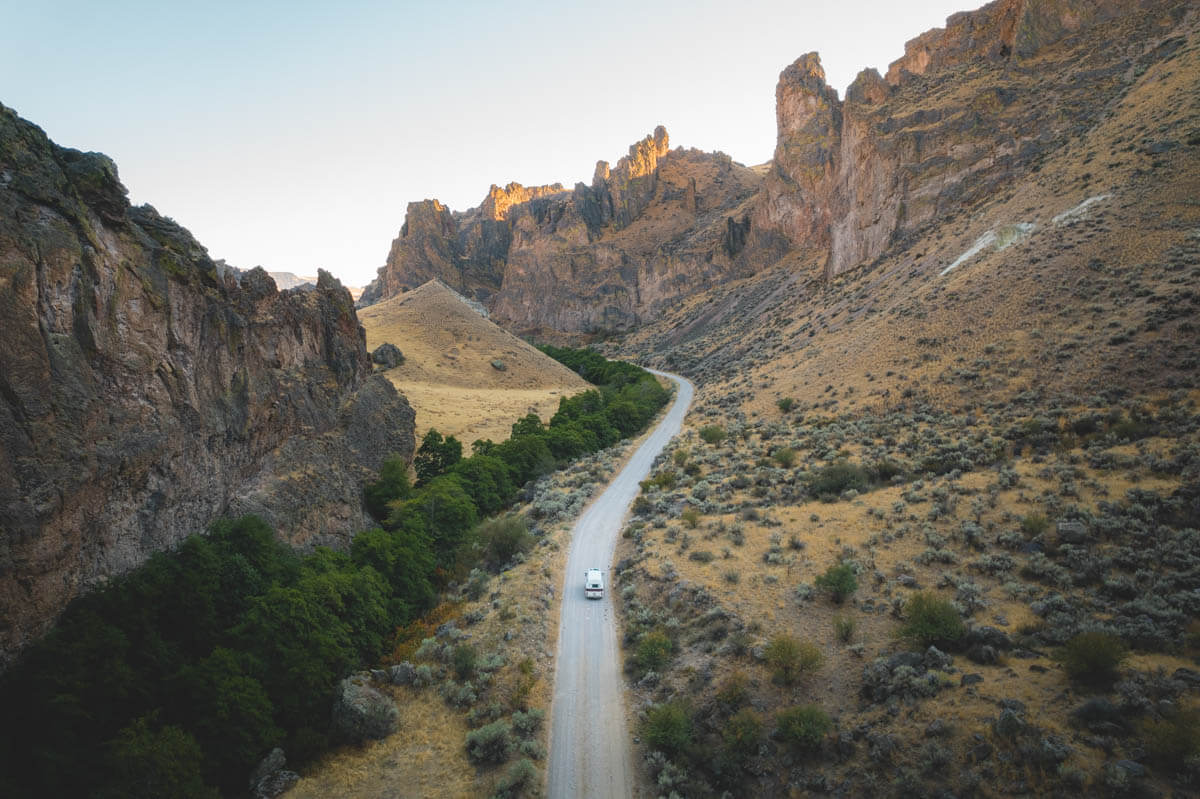
Adventure seekers can find countless opportunities here. Jason Darrah’s 315-mile experience from Bend to Alvord Desert showcases excellent overlanding routes. The Wallowa-Whitman National Forest holds some of Oregon’s most secluded spots. This piece will help you traverse Oregon’s spectacular backcountry both safely and responsibly.
Planning Your Off-Grid Route in Oregon
Planning your route carefully makes a big difference before heading into remote Oregon’s wilderness. Physical maps remain essential tools even with today’s GPS technology. Safety demands carrying paper maps, among other electronic devices. A basic compass runs between USD 10-60 and works without batteries.
Start your planning with good mapping software. Garmin handhelds support specialized off-road maps, OFSC snowmobile maps, and 3-D GPS Backroads maps. Tools like CalTopo and Gaia GPS can substantially improve your trip preparation.

Oregon’s landscape ranges from high desert to coastal regions, and reading topographic maps is vital here. Map and compass skills create a powerful outdoor toolkit, though books alone rarely teach these skills well.
Tough terrain demands smart choices. Ridge tops offer easier paths with fewer obstacles, while creek bottoms and ravines can turn into a nightmare. Google Earth lets you scout your route ahead of time – print some screenshots as backup.
July through November offers the best overlanding conditions in Oregon with minimal mud. Tell friends or family about your travel plans before you leave. Your smartphone needs extra protection because digitizer screens break easily in the wilderness.
RELATED: Best Time to Visit Oregon in Each Region
📍 GET THE ULTIMATE PNW MAP 🗺️
Get our curated list of the best adventures, things to do, and places to grab a brew loaded onto your maps with just two clicks!
✅ Waterfalls ✅ Hikes ✅ Viewpoints
✅ Craft breweries ✅ National Parks ✅ 1400+ Pins


Essential Gear for Remote Exploration
You’ll need the right gear to survive and stay comfortable in Oregon’s remote wilderness. The Ten Essential Systems are the foundations of any off-grid kit. These include navigation tools, sun protection, insulation, illumination, first-aid supplies, fire starter, repair tools, nutrition, hydration, and emergency shelter.
A properly declinated compass (16 degrees locally in Oregon) and paper maps should be in your pack, even if you have GPS devices. A headlamp with extra batteries will give you clear visibility during Oregon’s pitch-black wilderness nights.
Your shelter system needs a weather-resistant tent that works in Oregon’s varied environments—from desert heat to mountain cold. Match this with a sleeping bag that can handle the lowest expected temperatures at your destination.
Managing water becomes crucial in Oregon’s remote areas. Pack at least 2.5 liters for day trips and bring water filtration systems to use natural water sources safely.
Note that there’s one golden rule for clothing: NO cotton. Pack synthetic or wool layers instead – they’ll keep you warm even when wet, which is vital in Oregon’s unpredictable weather.
Sturdy hiking boots that support your ankles and provide good traction are crucial on Oregon’s rocky, uneven trails. On top of that, a detailed first aid kit customized to your trip’s specific risks can mean the difference between a minor setback and a serious emergency.
Top Remote Destinations to Explore
Oregon’s hidden corners hold extraordinary landscapes that await adventurous explorers. The Samuel H. Boardman State Scenic Corridor stretches majestically for 12 miles along Southern Oregon’s coastline and features breathtaking vistas and hidden beaches. The Wallowas rise proudly as Oregon’s own “Alps,” with magnificent alpine peaks that Travel Oregon considers one of the Seven Wonders of Oregon.
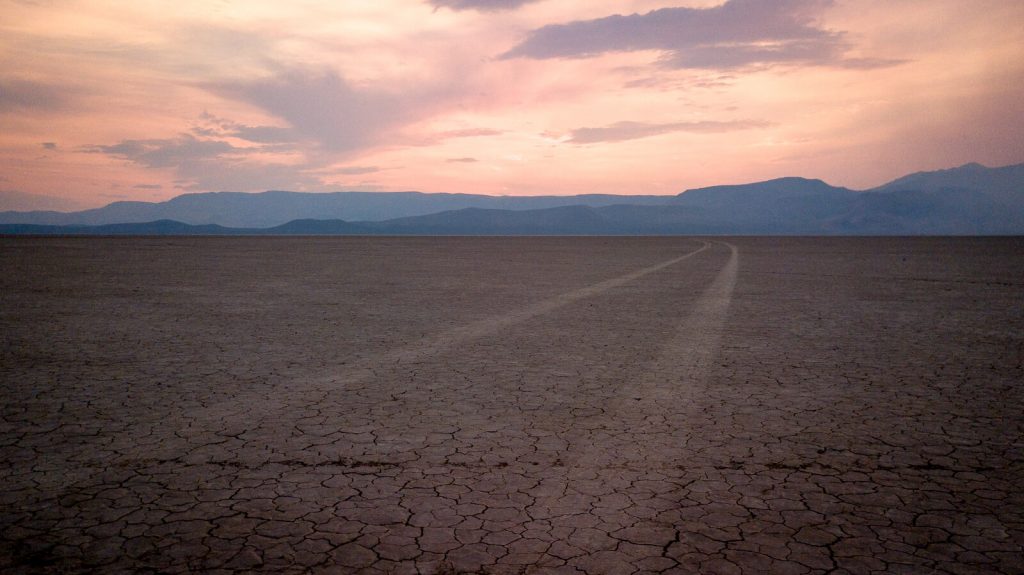
Steens Mountain offers peaceful isolation with its dramatic fault-block formation that stands apart from Oregon’s volcanic peaks. Its glacial-carved canyons serve as home to wild horses and bighorn sheep. The Alvord Desert stretches across southeast Oregon as a big dry lakebed where people seek both solitude and attempt land-speed records.
North America’s deepest river canyon, Hells Canyon, sits along the Oregon-Idaho border and remains surprisingly quiet despite its impressive depth that exceeds the Grand Canyon. Eastern Oregon showcases one of its youngest lava flows at the Jordan Craters Wilderness Study Area, which might be just a hundred years old.
The Oregon coast features the impressive Oregon Dunes National Recreation Area. These massive dunes cover 31,500 acres and tower 500 feet above sea level between Florence and Coos Bay. Simpson Reef Overlook provides a peaceful spot to watch seals, sea lions, and whales away from the crowds.
The rugged Owyhee Canyonlands challenges visitors with difficult access but rewards their efforts with dramatic scenery that makes the experience worthwhile.
There are also some insane motorcycle trails through Oregon; you can check out a tour here. While we hope you don’t need it, you might want to keep the contact info for a motorcycle accident lawyer in your back pocket.
Injury and Emergency Resources in Oregon
Safety preparation is crucial at the time you’re learning about Oregon’s isolated backcountry. Each year, about 95% of Oregonians head outdoors for recreation. Search and rescue teams launch around 1,000 missions annually to help the 0.025% who need rescue.
A personal locator beacon could save your life during emergencies in remote Oregon. Cell phones don’t work well in most wilderness areas. You should also keep a detailed topographic map in a protective case and carry a compass with you.
Wilderness first aid skills are a great way to get life-saving knowledge in Oregon’s backcountry. You can get certified through organizations like SOLO Wilderness First Aid. They also offer a more detailed 80-hour SOLO Wilderness First Responder course. These programs teach you to handle medical emergencies with limited resources in isolated areas.
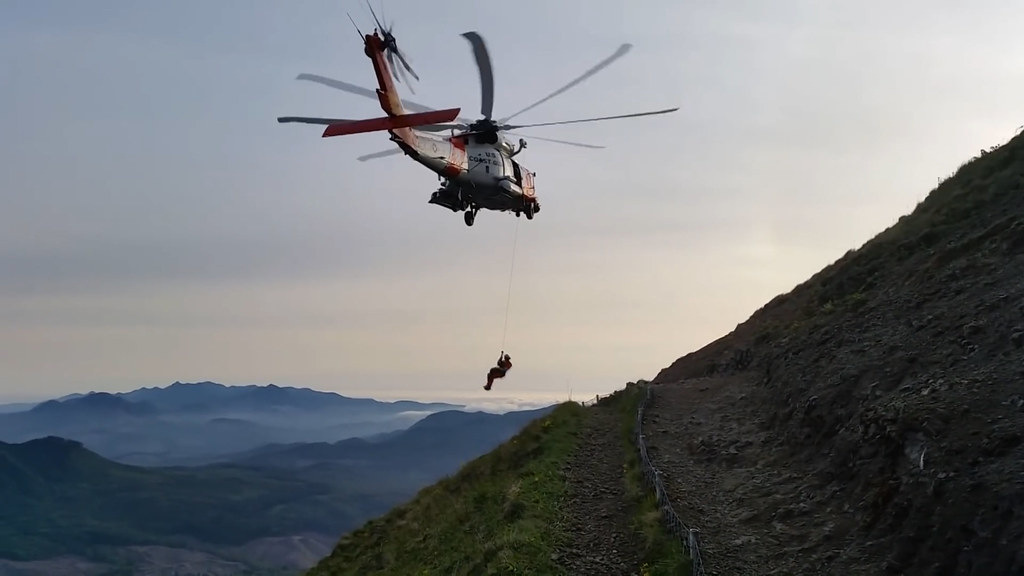
Air ambulance services operate throughout Oregon’s remote areas to handle life-threatening emergencies. These flights can get pricey—the median cost is about $36,400. So, annual membership plans between $60 and $99 can protect you financially.
Oregon’s Department of Emergency Management works with state and federal resources during emergencies. Local county emergency departments train search and rescue volunteers. These teams specialize in ground search, mountain rescue, and water recovery.
If your trip leads to an accident caused by unsafe conditions or negligence, understanding your rights matters. ConsumerShield helps Oregonians learn about injury claims and connects them with experienced personal-injury lawyers who handle outdoor and travel-related accidents.
Conclusion
Oregon is a dream destination for off-grid enthusiasts with its exceptional network of remote roads and varied landscapes. This piece covers everything you need to know about successful backcountry adventures in this amazing state. Of course, good route planning is the foundation of any wilderness trip. You’ll need both old-school navigation tools and modern tech to stay safe.
Your choice of gear can mean the difference between an amazing experience and a dangerous situation. Pack according to the Ten Essential Systems and adapt them to Oregon’s different environments – from coastal fog to high desert heat.
Oregon’s remote spots have something for everyone who loves adventure. The alpine grandeur of the Wallowas and the otherworldly Alvord Desert’s expanse are perfect spots to escape the tourist crowds and get a real taste of wilderness.
Safety needs careful planning above all else. Cell service isn’t reliable in Oregon’s backcountry, so personal locator beacons and wilderness first aid knowledge become your lifeline. On top of that, letting local authorities know about your trip adds an extra safety net if things go wrong.
My time in Oregon’s remote areas has shown that the state’s hidden gems are worth the extra effort. These 70,000+ miles of backcountry roads lead to peaceful spots and raw natural beauty you won’t see anywhere else. With good planning and the right prep, you’ll find Oregon’s most isolated places hold its greatest treasures – just waiting for adventurers ready to step off the beaten path.