The Skills Oregon Outdoor Lovers End Up Learning by Necessity
Spending enough time outside in Oregon inevitably reshapes you. The landscapes favor people who can adapt, improvise, and carry on when the weather decides it has other plans.
Somewhere between your first soggy backpacking trip, your first busted zipper, and the moment you realize the forecast is more of a suggestion than a promise, you start picking up skills you never expected to learn. Little by little, the outdoors becomes a kind of teacher, pushing you toward the practical know-how that makes travel and daily life in this state feel smoother.
Gear Repair: Because Oregon’s Weather Will Break Something Eventually
Anyone who spends real time outside here learns quickly that gear has a lifespan. A tent stake bends in volcanic soil, a zipper jams after a coastal storm, a backpack strap gives out halfway up a ridge. The fixes begin with small interventions.
You patch holes with tape, coax a stubborn zipper into working again, and learn which fabrics dry fast and which stay cold and damp. With time, you get a feel for what can be saved and what is ready for retirement. That sense of calm around broken gear shows up long after the mud has dried.
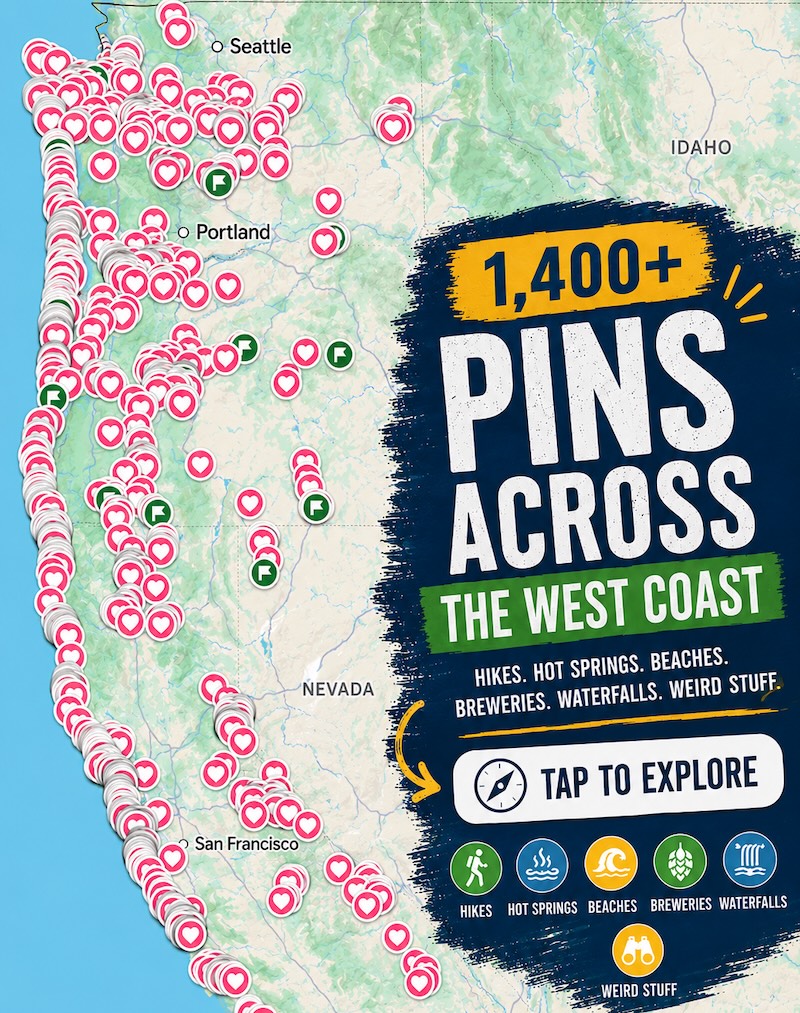
📍 GET THE ULTIMATE PNW MAP 🗺️
Get our curated list of the best adventures, things to do, and places to grab a brew loaded onto your maps with just two clicks!
✅ Waterfalls ✅ Hikes ✅ Viewpoints
✅ Craft breweries ✅ National Parks ✅ 1400+ Pins


Trail and Terrain Awareness: Turning Into a Human Topographic Map
Days spent crossing Oregon’s lava fields, forests, and high-country ridgelines tune your awareness to the landscape. You start to notice subtle cues: the plants that hint at boggy ground, the shift in air along a ridge when weather moves in, the patches of snow that hang on long after summer begins.
The map in your pack stays important, but the one forming in your mind often guides you just as well. Reading the land becomes instinct built from thousands of small decisions that keep each outing grounded and safe.
Basic Carpentry and Fix-It Skills
A weekend of camping or working on a van in Oregon has a way of turning into an unexpected crash course in carpentry. A wobbly step begs for reinforcement, a gear shelf needs rebuilding, a bike rack suddenly becomes a Tuesday-night project. These small tasks teach you how wood behaves when the air stays damp, how screws perform in soft lumber, and why a level deserves respect.
For some people, curiosity deepens. A simple platform bed becomes a full van build. A small shed turns into a reliable gear bunker. At that point, learning how things are meant to be built becomes worthwhile.
Enrolling in an Oregon general contractor licensing course often becomes the next step for anyone who wants real structure behind the skills they’ve been piecing together through trial and error.
Weatherproofing and Keeping Things Dry in a Damp State
Oregon encourages respect for water in all its forms. Rain settles in, slips through seams, and tests every crack in your setup. After a weekend where everything you own ends up damp, you start getting serious about staying dry.
You figure out the difference between water-resistant fabric and the real thing. You learn how to seal seams, revive old rain jackets, and hang gear so it dries before the next round of weather. Tarps stop feeling like a backup plan and start feeling like engineering projects with angles, tension, and runoff to consider.
This awareness creeps into the rest of life, too. Firewood gets stored differently. Campsite parking becomes strategic. The spot where you put your boots turns into a system. Eventually, you catch yourself thinking like a rainstorm, studying the weak points before the water finds them.
Van, Truck, or Trailer Maintenance: The Roadside Education Nobody Warns You About
Travel through Oregon in a van or truck long enough, and you develop a partnership with your vehicle. Forest roads, steep mountain passes, and salt-heavy coastal air expose every weakness. A hose loosens, a battery dies, a tire collects a nail, a fuse quits when you need the heater after dark.
These moments teach you quickly. You learn how to swap a tire on uneven dirt, calm a belt that screeches at sunrise, or coach an older engine through a slow climb without overheating it. Routine checks become part of the rhythm of being on the road. These skills are what keep a trip from ending halfway to the desert or deep in the Cascades.
🏨 Need a place to crash nearby?
From rustic cabins to boutique inns—check prices and availability in just a click.
Backcountry Problem-Solving Skills You Don’t Realize You’ve Developed
Oregon’s backcountry turns inconveniences into puzzles you learn to solve in real time. A stove sputters in cold weather, so you warm the fuel canister under your jacket. A branch blocks the trail, and you clear just enough to keep moving. A boot lace snaps miles from the trailhead, so a spare cord becomes the fix.
These situations foster a particular mindset. You stop waiting for perfect conditions and respond to what shows up. Plans shift, gear fails, weather changes, and you adapt without giving it much thought. That calm resourcefulness follows you home and shows up whenever something needs adjusting, repairing, or rethinking.
The Build-It-Yourself Mindset That Slowly Takes Over
The more time you spend outside, the more you start redesigning your surroundings. A messy gear corner inspires plans for shelves. A tent setup sparks ideas about better tarp angles. A small leak becomes a weekend project instead of a reason to cancel a trip.
Most of this comes from trial and error. You learn how fabric reacts after a storm, which stakes grip rocky soil, and how much strain a zipper can take before it quits. You test patches, tape, cord, and clever fixes until the whole process becomes second nature.
Knowing a few solid tent repair tips helps keep your shelter alive through years of coastal wind and high-elevation storms. Over time, tinkering becomes part of how you move through the outdoors, not something you do only when gear fails.
When These Skills Spill Into Everyday Life
The practical lessons you pick up outside don’t stay tucked away in your pack. The same problem-solving that kept a stove running on a freezing morning kicks in when a door sticks or a lock jams.
The patience you learned patching gear comes back when you’re adjusting a crooked hinge or reclaiming a chaotic closet, and the confidence from fixing something in the wind has a way of steadying you every time something at home cracks, leaks, or falls apart.
For many people, these habits build into something larger. Weekend projects turn into steady tinkering. Backyards gain sheds and small structures that evolve with each season.
The idea of a more self-sufficient lifestyle starts to feel less theoretical. The same instincts that make a stormy weekend manageable are the ones that make off-grid living in Oregon feel connected to skills you’ve already been practicing for years.
Conclusion
Oregon leaves its mark on anyone who spends real time wandering through its wild places. The state teaches repairs, small builds, clever fixes, and a practical way of looking at challenges.
These lessons show up in the way you pack, prepare, and move through daily life with a little more capability than before. The outdoors doesn’t just offer scenery here. It shapes a mindset that sticks long after the trail dust settles.