How to Pack Smart for a Trip That Includes Both Camping and Hiking
A combined camping and hiking trip forces you to pack for two loads. One is the heavy haul that gets your shelter, food, and comfort to base camp. The other is the light kit you carry up the trail each day.
Most people pack for one and then improvise the other, which is how a daypack ends up either overloaded with camp gear or missing the one item that matters at the summit. Smart packing starts by treating the two loads as separate problems that share a duffel. With a simple packing system, you can stay organized while making the most of every stage of your outdoor adventure.
The Base Camp Load and the Trail Load
The base camp load can be heavy because it moves a short distance from the car to the tent and then stays put. Comfort items, extra food, a full cook kit, and a change of clothes all belong here.
The trail load is the opposite discipline. You carry every ounce on your back for hours, so it holds only what a day on foot requires. Sorting your gear into these two piles before anything goes into a bag prevents the most common packing mistake, which is carrying base camp comfort up a mountain.
RELATED: 37 of The Best Spots for Camping in Oregon
📍 GET THE ULTIMATE PNW MAP 🗺️
Get our curated list of the best adventures, things to do, and places to grab a brew loaded onto your maps with just two clicks!
✅ Waterfalls ✅ Hikes ✅ Viewpoints
✅ Craft breweries ✅ National Parks ✅ 1400+ Pins


Building the Base Camp Load
Start with shelter, sleep, and food, since those three decide the size of your largest bag. A tent, a sleeping bag, a pad, a stove, fuel, and two days of meals form the core. Pack these in the order you will need them, with the tent near the top because it goes up first at camp.
Group small items into labeled stuff sacks so you are not emptying the whole bag to find a spare battery. Add camp comfort last and honestly, because a folding chair and a second lantern feel free in the driveway and heavy on the walk in. Keep a hard bin or a dry bag for food that seals against weather and animals.
RELATED: 31 BEST Hikes in Oregon
Dialing In a Personal Kit
The gear that works best is usually the gear matched to the person carrying it. Two hikers of the same size will pack different first-aid supplies and different snacks based on what they actually reach for. Some people invest in custom made EDC tools sized to their own hand and habits, so the item they carry every day performs the exact task they need without compromise.
The same logic applies to a headlamp or a rain shell. Build the kit around your own routine, then trim anything you packed out of habit rather than use.
Some newer gear folds several small tools into one item, which fits the same trimming logic. Meta glasses, for example, combine standard UV-protective lenses with a built-in camera, microphone, and voice assistant in a single frame, features that would otherwise require carrying a separate camera and using your phone hands-on.
Packing the Daypack for the Trail
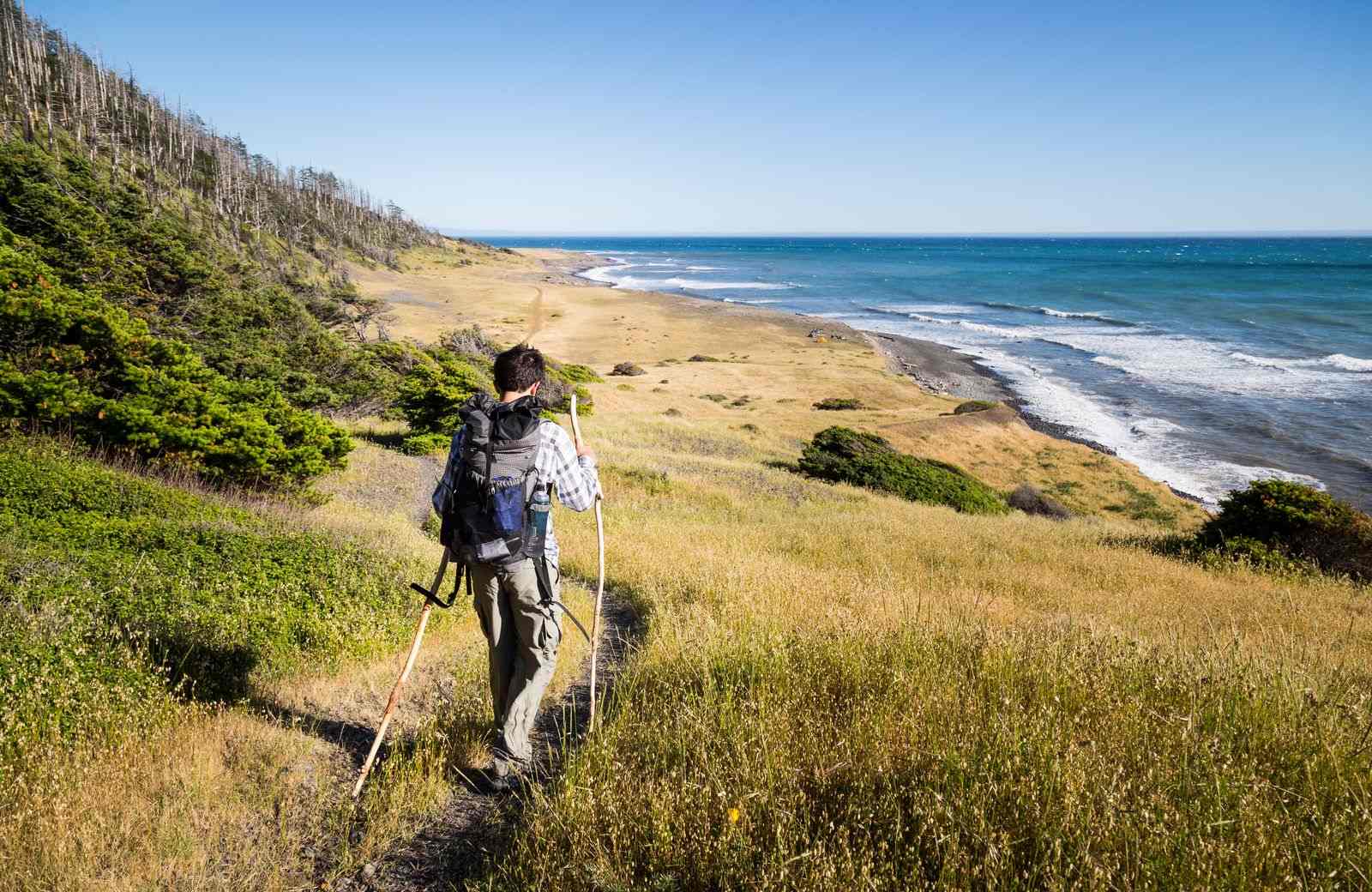
The daypack leaves camp each morning and needs a fixed short list. Water, snacks, a layer for wind and rain, sun protection, a small first-aid kit, navigation, and a headlamp cover most day hikes. Keep this pile packed and ready near the tent door so a morning start does not turn into a scavenger hunt.
The goal is a bag light enough that you forget it is there until you need something inside it. Anything that only matters at camp stays at camp, and anything that could save a bad day goes in the pack even when the forecast looks perfect.
Weight, Balance, and Load Placement
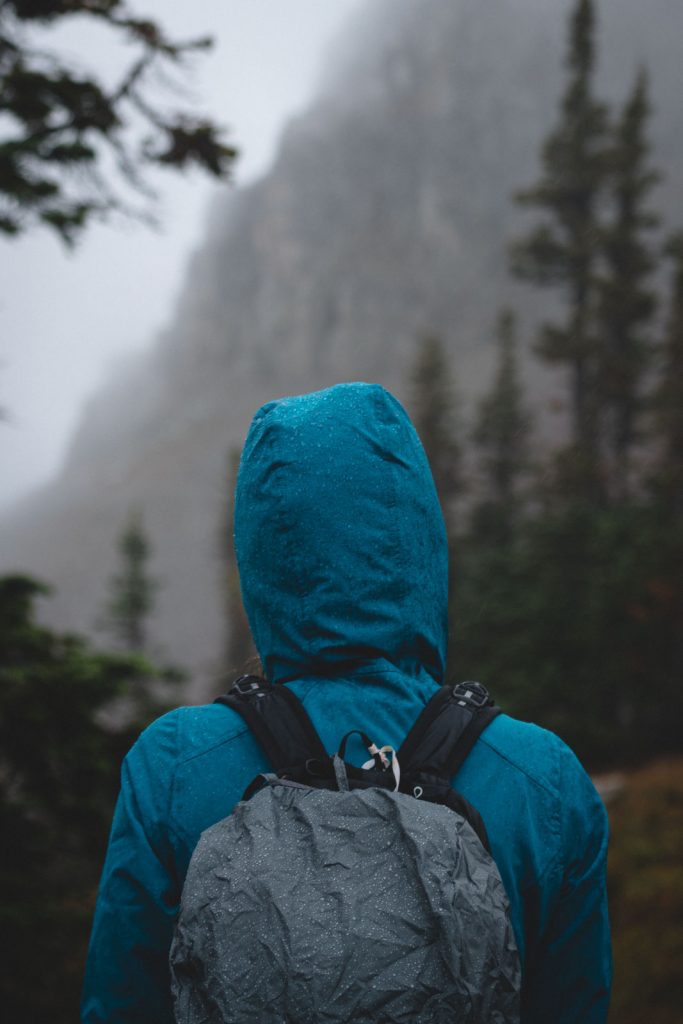
How you load a pack matters as much as what you load into it. A widely used guideline keeps a loaded backpacking pack near 20% of your body weight and a daypack closer to 10%. Place the heaviest items, water and food, in the center of the pack and close to your spine, since weight held away from the back pulls you off balance.
Fill the bottom with light, bulky gear like a sleeping bag, and keep frequently used items in the lid or hip-belt pockets. Let the hip belt carry most of the load so your shoulders only steady it. A pack loaded badly causes back strain and fatigue long before the miles do.
🏨 Need a place to crash nearby?
From rustic cabins to boutique inns—check prices and availability in just a click.
Foot Care and Health on the Move
Feet fail more trips than legs do. Friction and moisture combine to raise a blister, so hikers who want to prevent blisters keep their feet dry with wool or synthetic socks and stop to treat a hot spot the moment they feel one.
Carry blister care in the daypack rather than the base camp bag, because the problem starts on the trail and rarely waits for camp. A single ignored hot spot can turn a strong hiker into a slow one within a mile.
Open trail brings steady sun exposure. Steady sun protection with a hat, sunglasses, and sunscreen prevents a burn that can end a day outdoors and a case of sun sickness that ruins a night at camp.
Altitude makes this worse, since ultraviolet exposure climbs with elevation. Reapply sunscreen through the day, because one morning coat does little by afternoon.
Water and Food Planning
Water is heavy, so most trips rely on collecting and treating it rather than hauling every liter from home. A filter or chemical treatment handles bacteria and protozoa, and the science behind stream water treatment is solid enough that skipping it is how hikers pick up giardia from water that looks safe.
Plan your daily water around the route, and carry extra in dry country where sources are far apart. For food, favor calorie-dense items that need no refrigeration, and keep trail snacks separate from camp meals so you are not digging through a food bin on a ridge.
A little planning here saves both weight and the misery of rationing water on the walk back. Thinking through your food and water needs before leaving home also helps prevent unnecessary weight and last-minute packing decisions.
Making the Two Loads Work Together
One bag cannot serve both jobs well, and the sooner you accept that, the better you pack for a combined trip. Pack the heavy base camp load for comfort and durability, pack the daypack for speed and restraint, and keep the two sorted so neither bleeds into the other.
Label the two bags and keep them physically apart in the car, so a groggy morning grab never pulls camp gear onto the trail. A well-sorted pair of loads turns one complicated trip into two simple ones. Once the system clicks, packing for the next trip takes half the time, because you already know which pile each item belongs in.
Conclusion
Packing smart for a trip that combines camping and hiking is less about bringing more gear and more about knowing where each item belongs. By keeping your base camp equipment separate from your trail essentials, you reduce unnecessary weight, stay organized, and make every part of the journey more enjoyable.
A simple packing system also saves time before future trips and helps you stay prepared when conditions change. With the right balance of comfort at camp and efficiency on the trail, you can focus less on your gear and more on the adventure ahead, knowing you have packed with purpose rather than habit.