
This Oregon conifer isn’t evergreen at all, and every October it turns a mountain range gold
Every conifer in Oregon holds its needles through winter — except one. Each October the western larch breaks that rule completely, turning gold like a maple and dropping every needle, and for a couple of weeks it sets whole mountainsides in the state’s far northeast corner on fire with color.
—
Psst — we made you a West Coast Adventure Map. Nearly 1,900 of our favorite spots, already pinned, ready to load into Google Maps in two clicks — grab it here.
—
Locals call it tamarack; biologists call it western larch. Either way, it’s a genuine deciduous conifer — needles and cones like any pine, but it can’t hold onto those needles through winter the way true evergreens do. Starting around the fall equinox the green fades to yellow, and by Halloween whole hillsides have gone the color of a struck match.
Oregon’s biggest concentration of it grows in the Wallowa Mountains, way out in the state’s northeast corner near the town of Joseph. It’s a haul from Portland — roughly five and a half hours, most of it on I-84 to La Grande, then Highway 82 east through Elgin, Wallowa, and Enterprise before the road dead-ends at Wallowa Lake.
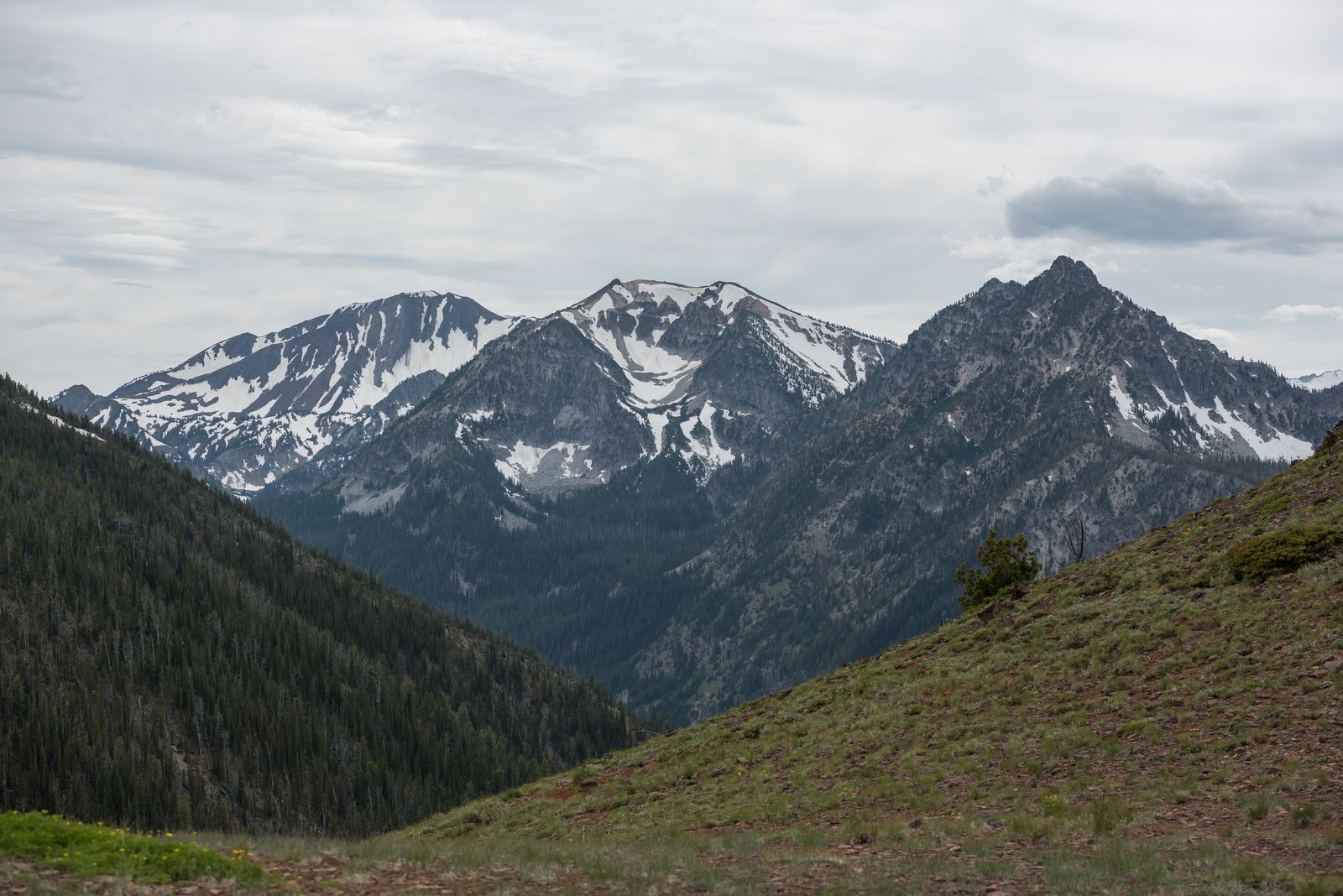
For an easy dose of the color, park at the Wallowa Lake Trailhead just past the state park and hike the Lower Falls and West Fork Wallowa Spur Loop. It’s an easy 1.8 miles round trip with about 500 feet of climbing — an hour or so if you don’t stop for photos, which you will.
The loop passes a small waterfall a third of a mile in and larch the rest of the way. There’s no parking fee, just a free self-issued Wilderness Visitor Permit to fill out at the trailhead.
Want more mileage? Hurricane Creek Trail, a bit further down the road, climbs steadily into the Eagle Cap Wilderness past granite cliffs and seasonal waterfalls, with larch the entire way up.
Go 4.6 miles to the Billy Jones Trail junction, or push on if your legs are up for it. That trailhead runs $5 a day per vehicle, or it’s covered by an NW Forest Pass or America the Beautiful Pass, plus the same free wilderness permit.
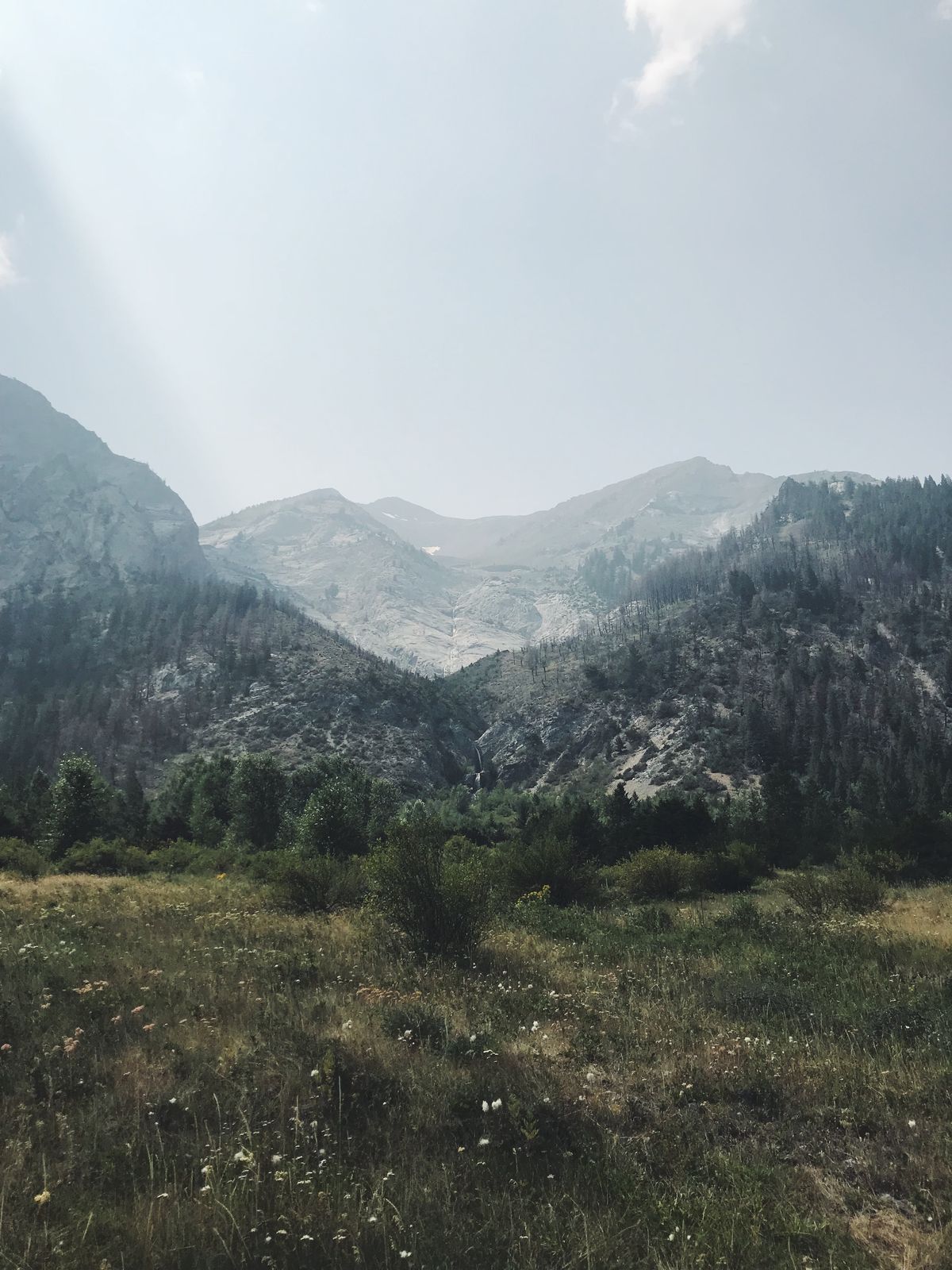
Don’t want to hike at all? The Elkhorn Drive Scenic Byway loops 106 paved miles out of Baker City around the Elkhorn Mountains, and it hits the same larch display without you ever leaving the car.
Base yourself in Joseph when you’re off the trail — a town of under 2,000 people that also happens to be one of the country’s more serious bronze foundry towns. Valley Bronze has been casting sculptures here since 1982, and a walk down Main Street doubles as an outdoor gallery.
If you’d rather camp lakeside at the foot of all that gold, we’ve got a full guide to Wallowa Lake here.
Mornings up here dip well below freezing even once the days warm up, so bring real layers. Go before Halloween — once those needles hit the ground, the show’s over until next year.
Trip tips: grab a rental car for the drive out, lock in your hotel or cabin in Joseph before peak-color weekends book up, or make the whole trip in a camper van instead.
Rules and fees change — always confirm current requirements before you go.