4 Oregon Castles Hiding Fascinating Armor Exhibits
If your mental image of Oregon stops at moss-draped forests or rugged coastlines, prepare for a surprise. Turrets, keeps, and battlements do rise west of the Cascades. While they may not have repelled medieval sieges, these structures tell a uniquely American story of ambition, artistry, and a love for fairytale architecture.
From timber-baron mansions to folk-art fortresses, the Beaver State folds baronial grandeur into its wild beauty. This guide traces Oregon’s eclectic “castle trail,” blending history with practical tips for your road trip. Forget what you think you know about Oregon; it’s time to explore its most unexpected architectural treasures.
How Oregon Got Its Castles
Unlike Europe’s genuinely defensive strongholds, Oregon’s castles are products of prosperity and creativity. They were never meant to withstand an invading army; instead, they were built to inspire awe and showcase success. In the late 1800s and early 1900s, tycoons commissioned showpiece homes that borrowed from French châteaux and Scottish baronial styles.
By the 1930s, a different kind of castle builder emerged. Craftsmen from the Civilian Conservation Corps chiseled rustic lodges into mountain slopes, using massive timbers and local stone.
Later, roadside visionaries followed suit, constructing whimsical fortresses to lure curious travelers. The result is an architectural mix that offers a glimpse into the dreams of those who built them.
| Key Insight: Oregon’s castles weren’t built for defense but as symbols of Gilded Age prosperity and artistic ambition, showcasing American success rather than medieval military might. |
📍 GET THE ULTIMATE PNW MAP 🗺️
Get our curated list of the best adventures, things to do, and places to grab a brew loaded onto your maps with just two clicks!
✅ Waterfalls ✅ Hikes ✅ Viewpoints
✅ Craft breweries ✅ National Parks ✅ 1400+ Pins


1. The Oregon Caves Chateau: A Woodland Fortress
Tucked away in the Siskiyou Mountains, the Oregon Caves Chateau is a marvel of rustic architecture. Clinging to a steep canyon wall above the marble caverns, this six-story lodge, built in 1934, appears to grow from the forest. Its builders used local cedar for siding, and a creek even flows through the dining room, deepening its connection to the environment.
Don’t Miss
Inside, the Chateau’s grand lobby is a masterpiece of woodworking, with stacked balconies and a monumental stone fireplace. The tiered structure creates the feeling of being inside a castle keep, with intimate nooks and grand open spaces. Be sure to ask staff for local lore, as they often share anecdotes about the resident ghost, a spectral “Lady in Blue.”
Practicalities
The Chateau is only open from late spring through early fall due to heavy winter snow and ongoing restoration projects. Cave tours are incredibly popular and often sell out weeks in advance, so booking online is essential. Overnight rooms are limited and offer a charmingly rustic experience.
Temperatures in the shaded canyon can be brisk, even in early summer, so packing layers is wise. For a memorable side quest, the serpentine byway leading from the caves connects you to the awe-inspiring giants of Redwoods National Park in about 90 minutes.
2. Pittock Mansion: Portland’s Hilltop Castle
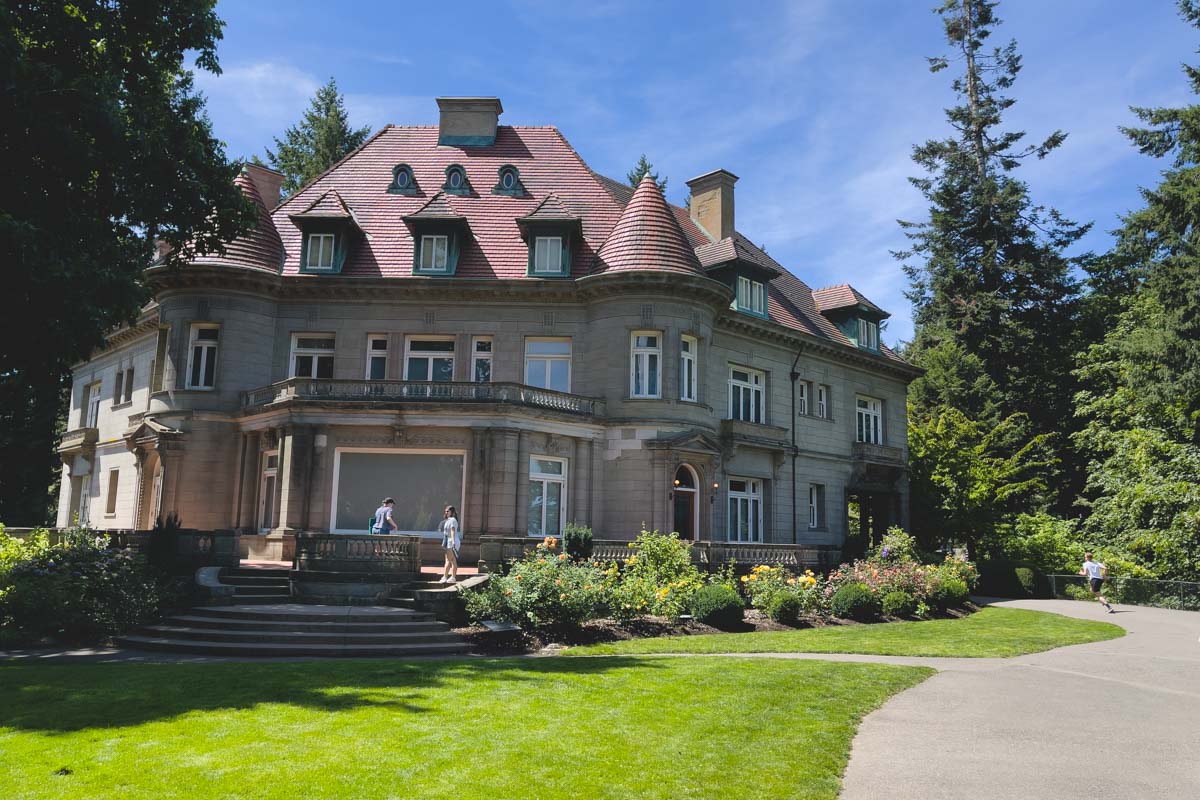
Perched 1,000 feet above downtown Portland, Pittock Mansion is the city’s most elegant castle. The French Renaissance-style château was completed in 1914 for publisher Henry Pittock and his wife, Georgiana. It was designed to impress, blending romantic European aesthetics with modern conveniences like an elevator and a central vacuum cleaner.
🏨 Need a place to crash nearby?
From rustic cabins to boutique inns—check prices and availability in just a click.
Armor Highlights
While the mansion doesn’t feature a full armory, it contains nods to the Gilded Age fascination with medieval luxury. Display cases hold elegant European swords and daggers, their polished steel reflecting the era’s romanticized view of chivalry. A Turkish smoking set also speaks to the broader interest in exotic and historical artifacts among the wealthy elite.
This fascination with historical craftsmanship continues today, with enthusiasts often seeking high-quality replicas. Detailed resources for the expertly curated medieval armor show just how deep this interest runs. These range from wearable suits to display pieces that evoke the same sense of history the Pittocks sought to capture
Photo Ops & Access
The mansion’s west terrace offers one of the most iconic views in Oregon. The surrounding park is free to access, making it a popular spot for locals and tourists alike. To reach the mansion, you can take a bus followed by a walk or hike the five-mile spur of the famous Wildwood Trail. Admission to the mansion itself is $14 for adults, offering a glimpse into Portland’s opulent past.
| Key Insight: Pittock Mansion perfectly captures the era’s ambition, blending romantic European design with cutting-edge 20th-century technology like an internal phone system and a central vacuum. |
3. Castle in the Mist: Petersen Rock Garden Towers
Imagine if Snow White’s dwarves became stonemasons, and you’ll have a sense of the magic of Petersen Rock Garden. Located in Central Oregon, this folk-art wonderland is the lifelong project of Danish immigrant Rasmus Petersen. He built a sprawling miniature kingdom using agate, obsidian, and other local stones mortared into fantastical turrets and bridges.
Quirks to Spot
Wandering through the garden feels like stepping into a fairytale. A swan-flanked moat wiggles past miniature bridges, connecting tiny castles and cottages. Peacocks roam the grounds, adding to the surreal atmosphere. It’s a testament to a singular vision and an incredible amount of hard work.
Community Efforts
After falling into disrepair, the garden faced a closure scare. Thankfully, a dedicated group of volunteers and history enthusiasts stepped in. Through fundraisers and grants, they have been working to stabilize the crumbling walls and preserve Petersen’s legacy. A donation box is located on-site to help keep this unique Oregon dream alive.
🕒 Save hours of planning time! ⛰️
📍 Get The Ultimate West Coast Map
1400+ breweries, trails, waterfalls, beaches, and weird roadside stops—mapped for you!
Logistics
You can find the garden at 7930 SW 77th St., Redmond, OR, and it is generally open from dawn to dusk. It makes for an excellent detour when visiting the region, as Smith Rock State Park is just a 15-minute drive north.
4. McCulloch House & Other Hidden Gems
Beyond the main attractions, Oregon’s turret itch can be scratched with several smaller but equally fascinating stops. These hidden gems offer quick photo opportunities for those willing to venture off the beaten path.
McCulloch House, Roseburg: This private residence showcases stunning Scottish Baronial gables and a distinctive corner tower. While not open for public tours, it’s well worth a drive-by photo for its authentic architectural details.
John Mock “Castle,” Astoria: Another private home, this quirky castle peeks over the hedges on Franklin Avenue. Its crenellations and stone facade make for a fun discovery while exploring the city’s steep, winding streets.
Belle Fiore Winery, Ashland: For a taste of Tuscany in Southern Oregon, visit this winery. You can sip estate-grown varietals beneath Florentine-inspired arches, enjoying panoramic views of the Rogue Valley from a grand, castle-like estate.
Castle Rocca Vineyard, Canby: A more rustic take on the castle theme, this vineyard offers summer tasting flights. You can get a peek inside the barrel room, which is housed within a faux-medieval keep.
Armor & Artifacts: Where to See Medieval Gear in Oregon
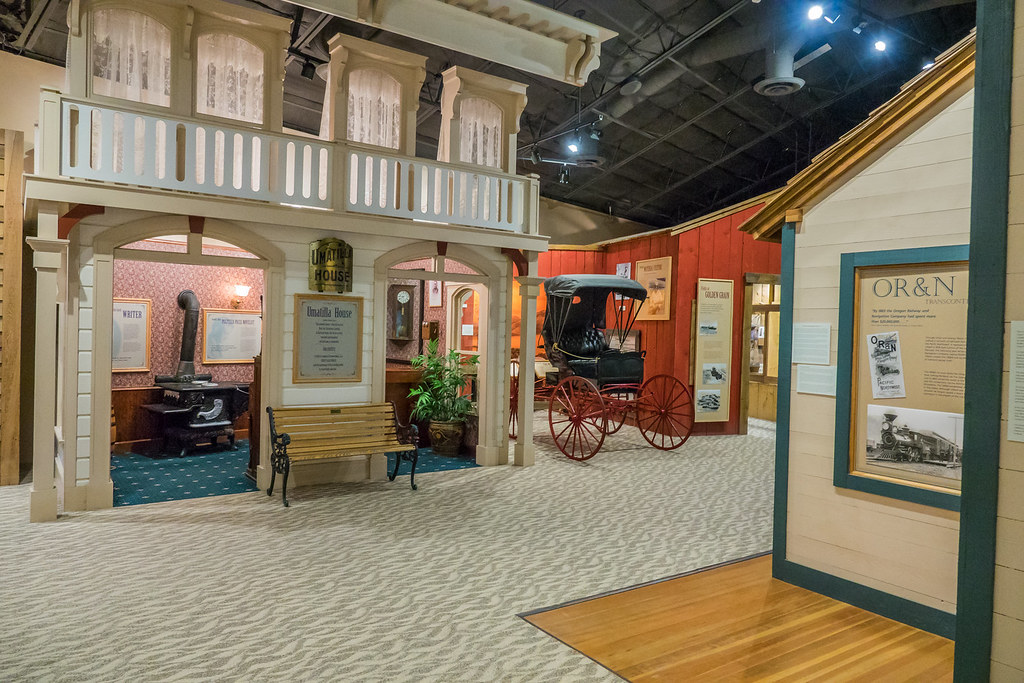
To supplement your tour of stone walls with a look at steel suits, several Oregon institutions offer a chance to get up close with historical arms and armor.
Columbia Gorge Discovery Center & Museum | The Dalles: This museum frequently hosts rotating exhibits related to history and technology. Past exhibits have demystified the world of medieval warfare, explaining the function of chain mail and other period-specific gear. Check their schedule for upcoming history-focused displays.
Oregon Museum of Science & Industry (OMSI) | Portland: OMSI is known for bringing world-class traveling exhibits to the Pacific Northwest. In the past, it has hosted displays allowing visitors to interact with replica trebuchets and explore Renaissance engineering. It’s a fantastic, hands-on experience for all ages.
Seasonal Immersion: For a truly immersive experience, plan your visit around one of the state’s Renaissance Faires. The Oregon Renaissance Faire and Shrewsbury Renaissance Faire are vibrant events that feature full-contact jousting and historical reenactors.
| Pro Tip: For the most immersive experience, time your visit with a Renaissance Faire. You’ll see full-contact jousting and can interact with reenactors passionate about medieval history. |
Practical Travel Tips for Your Oregon Castle Quest
Season & Weather
Timing your trip can greatly enhance the experience. Spring is ideal for visiting Pittock Mansion, as the surrounding gardens burst into bloom. Oregon weather is famously variable; always layer up and consider packing a light rain jacket, no matter the season.
Getting Around
A car is the most efficient way to chain these rural and urban sites together. For a more eco-friendly approach, you can use Amtrak and local buses to travel between major cities. From there, renting bikes is a great way to explore.
The route from Portland to Pittock Mansion is a popular, albeit challenging, bike ride. The Historic Columbia River Highway also features dedicated lanes perfect for cycling between museums and viewpoints.
Budget & Passes
Look for city-specific museum bundles in Portland, which can shave 20-30% off entry fees if you plan to visit multiple attractions. For the Oregon Caves, a U.S. Forest Service day pass will cover parking. Many smaller sites, like Petersen Rock Garden, operate on donations, so bring some cash.
Responsible Touring
Many of these locations are fragile historic sites. Always stay on designated paths, as lichen-covered stone can crumble easily underfoot. Resist the urge to climb on walls or structures. At nonprofit-run sites, your support helps ensure these unique pieces of Oregon history survive.
| Warning/Important: Many of these sites are fragile. Always stay on marked paths and consider making a small donation to help preserve these unique pieces of Oregon’s history. |
Your Next Steps
Now that you’re equipped with the history and logistics, it’s time to plan your own Beaver State castle trail. Pick a few castles that align with your route, book any time-ticketed tours, and pack for adventure. Oregon’s unexpected turrets and armor exhibits are waiting to be discovered.