

3 Easy DIY Wall Paneling Ideas for Oregon Cabins
Few things beat waking up in an Oregon cabin with morning fog hugging the pines and a warm stove. But if those knotty-pine walls feel more dated than rustic, fresh wall panels can restore that cozy vibe. This project can make your space feel crisp and new.
This guide offers a beginner-friendly plan to take your cabin from tired to timeless in just two days. It covers everything from wood selection and material lists to step-by-step installation. Explore three distinct ideas to get started on your weekend project.
From Rustic to Refreshed: Why Wall Paneling Belongs in Your Cabin
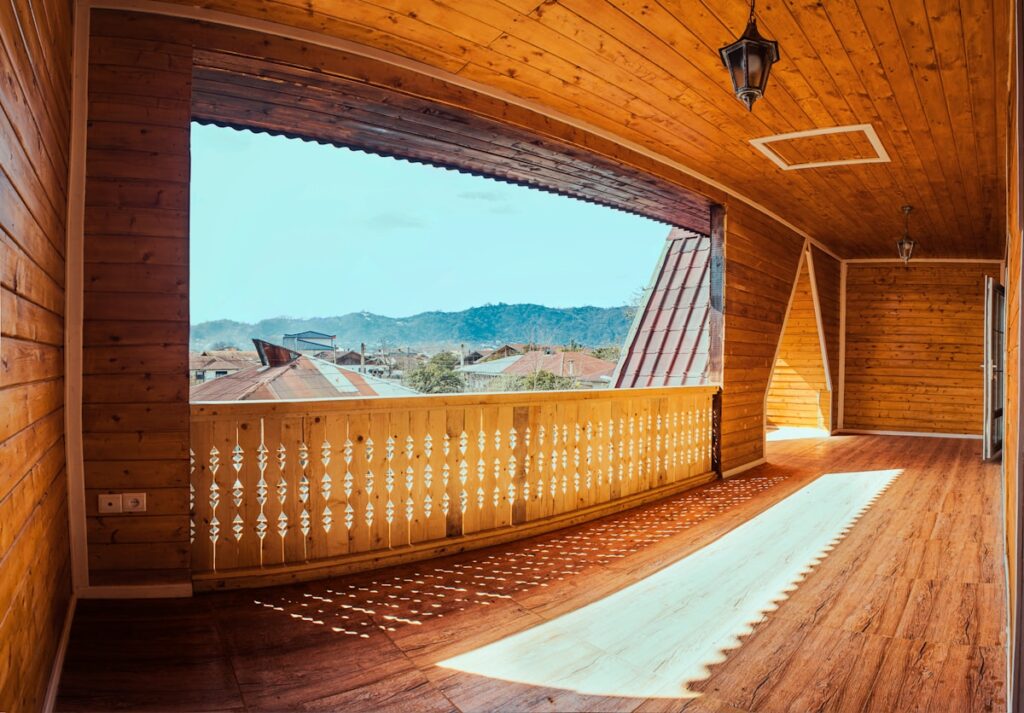
Unlike exterior upgrades that require scaffolding or specialty permits, installing interior paneling is a project you can tackle in a single weekend. The payoff is immediate with warmer winters and cooler summers. This visual facelift still honors your cabin’s timber-country DNA.
RELATED: 21 of the Coolest Cabins in Oregon
📍 GET THE ULTIMATE PNW MAP 🗺️
Get our curated list of the best adventures, things to do, and places to grab a brew loaded onto your maps with just two clicks!
✅ Waterfalls ✅ Hikes ✅ Viewpoints
✅ Craft breweries ✅ National Parks ✅ 1400+ Pins


Benefits of Wall Paneling for Oregon Cabins
Wall paneling does more than just update your cabin’s look; it adds tangible benefits. One of the most significant is improved insulation. This is especially valuable in Oregon’s varied climate, helping to keep your space comfortable year-round.
Proper insulation directly impacts your wallet. Since heating and cooling can account for up to 70% of a home’s energy use, adding a layer of wood paneling is a smart investment. In fact, adding insulation will probably reduce your utility bills.
Paneling also hides scuffed drywall and gives rooms a handcrafted, intentional look. It creates a clean, unified backdrop that makes arranging furniture.
| Key Insight: Beyond aesthetics, Oregon real estate agents note that wood-accent interiors can boost a cabin’s resale value by 5 to 7%, making this a weekend project that truly pays off. |
Choosing the Right Wood for Oregon Conditions
The core of your cabin’s new look comes down to the wood you choose. Each of these three popular options offers a unique aesthetic and set of practical benefits suited for the Pacific Northwest.
| Wood Type | DIY Difficulty | Durability | Best For |
|---|---|---|---|
| Pine | Easy | Moderate | Budget remodels |
| Cedar | Moderate | High (moisture-resistant) | Coastal cabins |
| Reclaimed Barnwood | Moderate | High | Vintage aesthetic |
If you’re short on time or worried about board shrinkage, consider prefinished options. Products such as the stylish, ready‑to‑install premium wall paneling collection from Dundee Deco can resist warping. They ship in lightweight cartons, making them ideal for tight staircases or loft areas.
Tools & Materials Checklist
Essentials
- Stud finder
- 4-foot level
- Tape measure & pencil
- Miter saw or circular saw + guide
- Nail gun w/ 18-gauge brads OR finish hammer & nails
- Construction adhesive (low VOC)
- ⅛-inch spacers
- Safety glasses, hearing protection, N95 mask
- Caulk gun & paintable caulk or wood filler
🏨 Need a place to crash nearby?
From rustic cabins to boutique inns—check prices and availability in just a click.
Nice-to-Have
- Compressor with adjustable PSI
- Laser level for long runs
- Trim-puller for baseboards
Step-by-Step Installation Guide
Measure & Prep Walls
- Clear furniture from the room and remove all outlet covers.
- Use a stud finder to locate and mark stud centers every 16 inches with painter’s tape.
- Acclimate boards by laying them flat inside the room for at least 48 hours to match the ambient humidity.
| Warning/Important: Do not skip acclimating boards for 48 hours. In Oregon’s damp climate, this step is crucial to prevent wood from shrinking post-installation and creating unsightly gaps between panels. |
Cut & Dry-Fit Panels
- Set your miter saw to 0° for square cuts at the end of each board and 45° for clean corner returns.
- Lightly label the back of each board in installation order (e.g., 1A, 1B, 2A) to keep things organized.
- Dry-fit the first course of boards along the floor to confirm your stud alignment and check for a level start.
Mounting Techniques: Nails vs. Adhesive
Nails offer removability, while adhesive is excellent for securing panels to masonry or uneven log walls. Many DIYers use both for a secure hold by applying adhesive and firing two brads into each stud. For best results with a nail gun, set the air pressure to around 90 PSI for ¾-inch boards.
| Pro Tip: For a flawless finish with a nail gun, set your compressor to 90 PSI for ¾-inch boards. This sinks the brads perfectly without damaging the wood surface, saving you time. |
🕒 Save hours of planning time! ⛰️
📍 Get The Ultimate West Coast Map
1400+ breweries, trails, waterfalls, beaches, and weird roadside stops—mapped for you!
Finishing Seams & Edges
- For outside corners, use decorative trim or sleek metal edge profiles for a professional look.
- For inside corners, a thin bead of color-matched caulk is perfect for hiding micro-gaps.
- Only face-nail a board if it refuses to seat properly; countersink the nail and cover it with putty.
Clean-Up & Safety Checks
Gather your off-cuts, which can be used for kindling, but avoid burning treated lumber. Vacuum all sawdust and give a few random boards a gentle tug to confirm the adhesive has set properly.
Finishing Touches: Stain, Paint, or Go Natural?
Trending finishes in Oregon cabins often reflect the natural surroundings.
- Mist-gray stain pairs beautifully with black-metal fixtures for a modern, Scandinavian vibe.
- Warm walnut stain brings out the rich tones in nearby river-rock fireplaces.
- A simple white-wash keeps coastal cottages feeling bright and airy, even on overcast days.
Opt for zero-VOC stains whenever possible. Cabins that may be closed for months at a time benefit greatly from low-odor products that will not be off-gas.
RELATED: Best Time to Visit Oregon in Each Region
Maintenance Tips for Oregon’s Moisture & Temperature Swings
- Inspect seams each spring and fill gaps exceeding 1/8 inch with a matching wood filler or caulk.
- Keep indoor humidity between 35–55% using a small dehumidifier during the wet months.
- Install ridge or gable vents in uninsulated attics to curb condensation that can form above the paneling.
Real-World Inspiration
A Rogue River fishing cabin swapped its yellowed drywall for vertical cedar paneling, resulting in a 5°F interior temperature boost in the winter. This type of upgrade can lead to significant energy savings, sometimes as much as 12% to 14% on utility bills.
For a Columbia Gorge river house, pre-sealing the board edges before installation cut the total project time by nearly 40%. This simple step eliminated the need for tedious touch-up work later on.
Your Next Steps
With a clear plan, the right materials, and a free weekend, you can completely transform the feel of your Oregon cabin. Now is the time to start measuring your walls and choosing the wood that best fits your vision. This project is a rewarding way to enhance your getaway space.
Safety Disclaimer: Always disconnect power at the breaker when removing outlet covers, wear proper PPE, and follow manufacturer instructions for all tools and finishes.