Boating and Paddling Safety on Oregon Waters: A Practical Guide for Every Adventurer
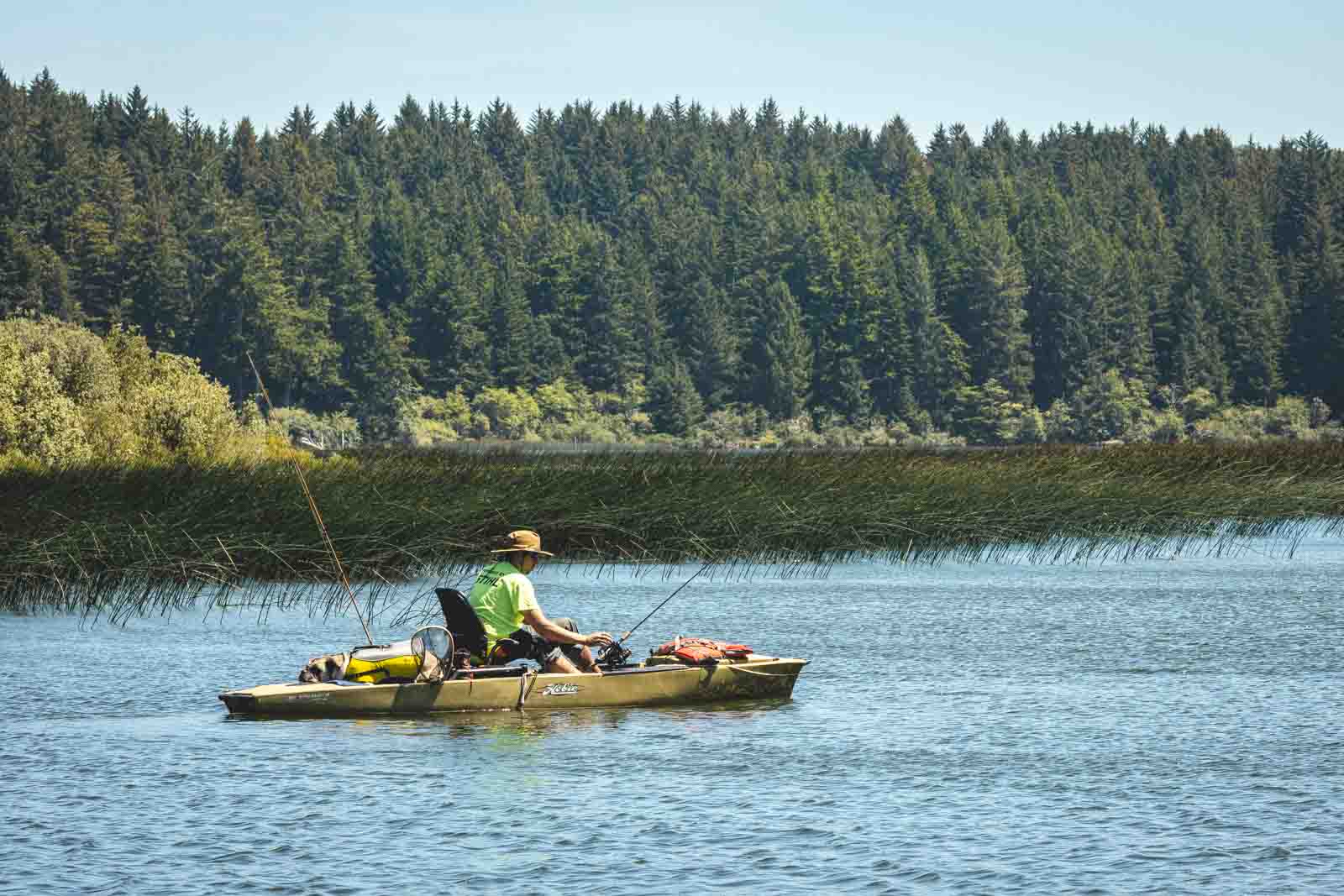
Oregon hands you more ways to get on the water than just about anywhere. You can paddle a glassy alpine lake in the morning, run a stretch of the Rogue in the afternoon, and watch the sun drop into the Pacific from a kayak off the coast. We do a lot of it ourselves, and we want you out there too. We also want you coming home with nothing worse than a sunburn and a good story.
So this is the safety guide we wish more people read before they launched. It is not a list of scary warnings. It is the handful of habits that actually keep boaters and paddlers out of trouble, plus an honest section on what to do if a day on the water goes sideways.
The Numbers Worth Knowing Before You Launch
The U.S. Coast Guard tracks every reportable boating accident in the country, and the 2024 report is worth a look. There were 556 boating deaths nationwide, which is actually the lowest total in more than 50 years. Good news. The hard part is how preventable most of them were.
According to the Coast Guard’s 2024 recreational boating statistics, 76% of people who died in boating accidents drowned, and of those, 87% were not wearing a life jacket. Alcohol was the leading known contributing factor in fatal accidents, tied to one in five deaths. None of that is a freak wave or a once-in-a-lifetime mechanical failure. It is the basics.
Here is the encouraging way to read it: the things that kill people on the water are mostly the things you control.
RELATED: Best Swimming Holes in Oregon: 13 Spots Worth Getting Wet
📍 GET THE ULTIMATE PNW MAP 🗺️
Get our curated list of the best adventures, things to do, and places to grab a brew loaded onto your maps with just two clicks!
✅ Waterfalls ✅ Hikes ✅ Viewpoints
✅ Craft breweries ✅ National Parks ✅ 1400+ Pins


Wear the Life Jacket. Every Time.
You knew this was coming. It is first because it matters most. A life jacket only works if you have it on before you end up in the water, and almost nobody who capsizes gets a calm moment to put one on afterward.
A few things that make wearing one easier:
- Get one that fits the activity. A bulky offshore vest is miserable for paddling. An inflatable belt pack or a low-profile paddling PFD is comfortable enough that you forget it is there.
- Put kids in theirs at the dock, not once you are underway.
- Dress for the water temperature, not the air. Oregon’s lakes, rivers, and coast stay cold most of the year. Cold water saps your strength fast, which is exactly when a life jacket buys you the time you need.
Skip the Drinks Until You Are Tied Up
Boating under the influence is illegal in Oregon, and the Coast Guard data shows why the rule exists. Sun, wind, dehydration, and the motion of the boat already wear you down. Add alcohol and your reaction time and balance fall off a cliff. Save it for the dock or the campsite.
RELATED: 37 of The Best Spots for Camping in Oregon
Know the Water You Are On
A calm reservoir and a coastal bar are two different sports. Match your plan to the conditions:
- Rivers change with the season and the rain. A mellow summer float can be a pushy, cold, debris-filled run in spring. Scout, and know your takeout.
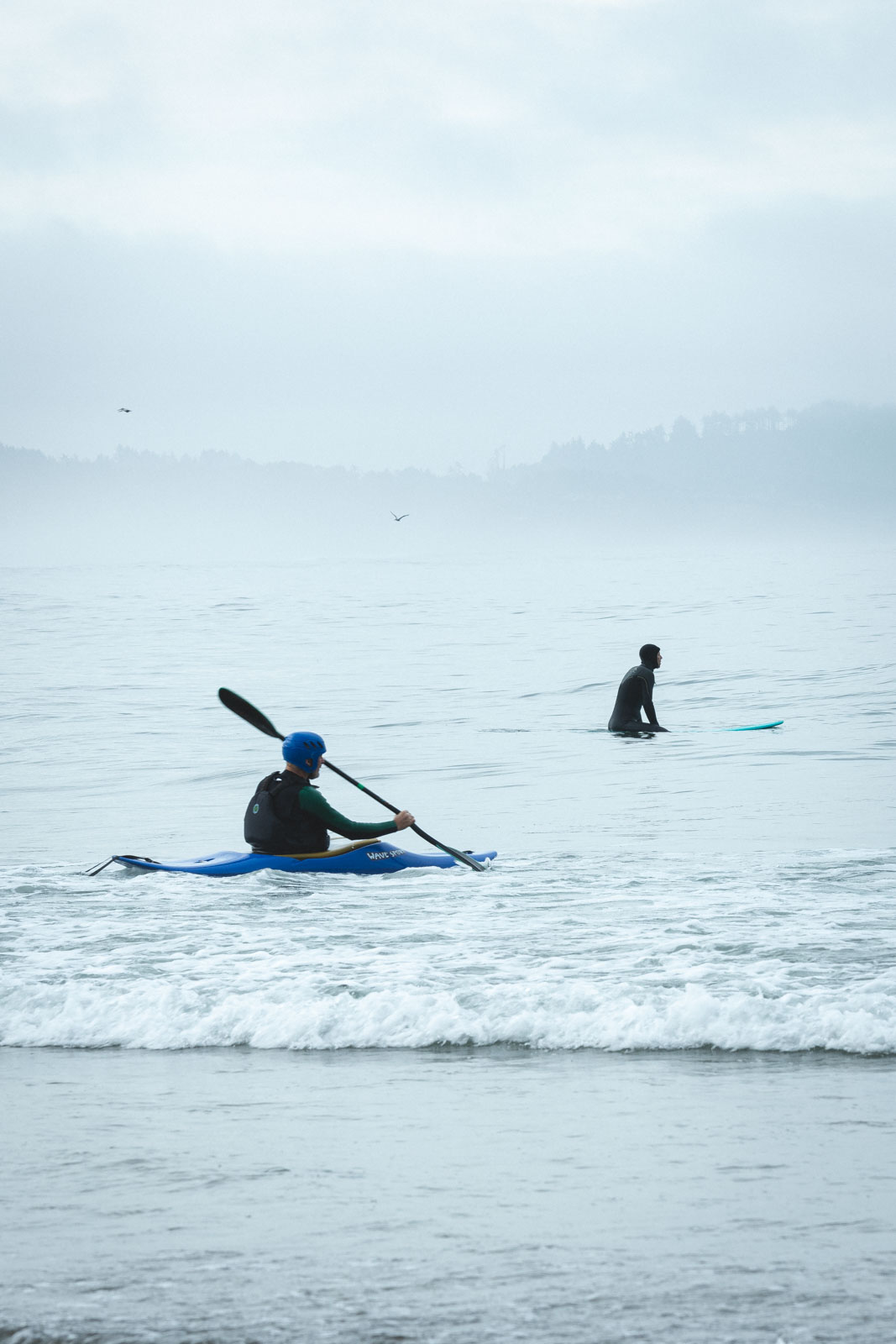
- The coast is beautiful and unforgiving. Sneaker waves, strong currents, and fast-changing weather catch people every year. Check the marine forecast, not just the beach forecast.
- Big lakes and the Columbia can build real wind waves in the afternoon. Plan to be off the water before the wind comes up.
File a Float Plan and Check the Forecast
Tell someone where you are going and when you expect to be back. It costs you thirty seconds and gives searchers a head start if you ever need them. Pair that with a real look at the weather and water conditions before you commit. The day you skip both is the day you wish you had not.
🏨 Need a place to crash nearby?
From rustic cabins to boutique inns—check prices and availability in just a click.
Oregon’s Rules in Plain English
Oregon’s boating program is run by the Oregon State Marine Board, and their site is the place to confirm current rules before a trip. The short version most people need:
- Motorboats and sailboats generally need to be titled and registered in Oregon.
- Operators of powerboats above a certain horsepower need a Boater Education Card.
- Paddlecraft of a certain length need a Waterway Access Permit.
- Carry the required safety gear: a properly fitting life jacket for every person aboard, plus sound and visual signaling devices for your boat type.
Rules change, so check the Marine Board’s current guidance rather than trusting a forum post from three years ago.
What to Do If Something Goes Wrong on the Water
Even careful people get hurt, often because of something they did not do. A rental company hands over a boat with a bad kill switch. Another operator runs their bowrider through a no-wake zone. A tour outfit overloads a vessel. When someone else’s carelessness causes the injury, the day stops being an accident and starts being a question of responsibility.
If you are ever in a serious boating incident, here is a clear order of operations:
- Get everyone safe and call for help. Health first, always. Flag the Coast Guard or local authorities.
- Get medical attention even if you feel okay. Cold-water immersion and adrenaline hide injuries. A record from day one matters later.
- Document what you can. Photos of the boat, the water, the conditions, and any gear involved. Names and contact info for everyone aboard and any witnesses.
- Report the accident as required. Oregon and federal rules require reporting incidents above certain injury, death, or damage thresholds.
- Be careful what you sign. Insurers and rental companies sometimes push for a quick statement or a fast settlement before anyone understands how serious an injury is.
Maritime and boating injury law is genuinely its own world. It is not the same as a car wreck, and the deadlines and rules can differ from ordinary personal injury cases.
The Bottom Line
The water is the best part of an Oregon summer. Treat it with a little respect and the odds are overwhelmingly in your favor: wear the life jacket, stay sober until you are docked, read the conditions, and tell someone your plan. Those four habits prevent the large majority of what shows up in the Coast Guard’s report every year.
And if the worst does happen and someone else was at fault, you do not have to sort out the legal side alone. A boat injury attorney who knows maritime law can tell you where you stand. Now get out there, and be safe.