5 Unbelievable Oregon Off-Road Trails to Explore
From the sweeping Pacific-coast dunes to the vast high-desert playas, Oregon packs more off-road variety into one state than almost anywhere else in the U.S. It’s a landscape of dramatic contrasts, offering challenges and scenic rewards for every skill level. This guide is your starting point, whether you’re a seasoned driver hunting for technical rock gardens or a newcomer easing down a gravel road.
We’ll help you choose the right trail, understand the correct permits, and head out prepared for your next adventure. You’ll find details on difficulty, seasonal considerations, and essential gear to ensure your trip is safe and unforgettable. Let’s dive into the trails that make Oregon a premier off-roading destination.
Why Oregon Belongs on Every Off-Roader’s Bucket List
Oregon’s appeal lies in its sheer diversity and accessibility. With over 50 designated off-highway vehicle (OHV) riding areas, the options are nearly limitless, and spending on these trips contributes an estimated $100 million to the state’s economy annually.
You can explore snow-free coastal dunes in winter and escape the heat on cool alpine passes in summer. This allows you to experience temperate rainforest, high desert, and rugged coastline all within a short drive.
📍 GET THE ULTIMATE PNW MAP 🗺️
Get our curated list of the best adventures, things to do, and places to grab a brew loaded onto your maps with just two clicks!
✅ Waterfalls ✅ Hikes ✅ Viewpoints
✅ Craft breweries ✅ National Parks ✅ 1400+ Pins


Choosing Your First Rig
Budget-minded newcomers often wonder if they need a highly modified rig right away, and the answer is no. Plenty of drivers master entry-level routes in stock SUVs or smaller quads.
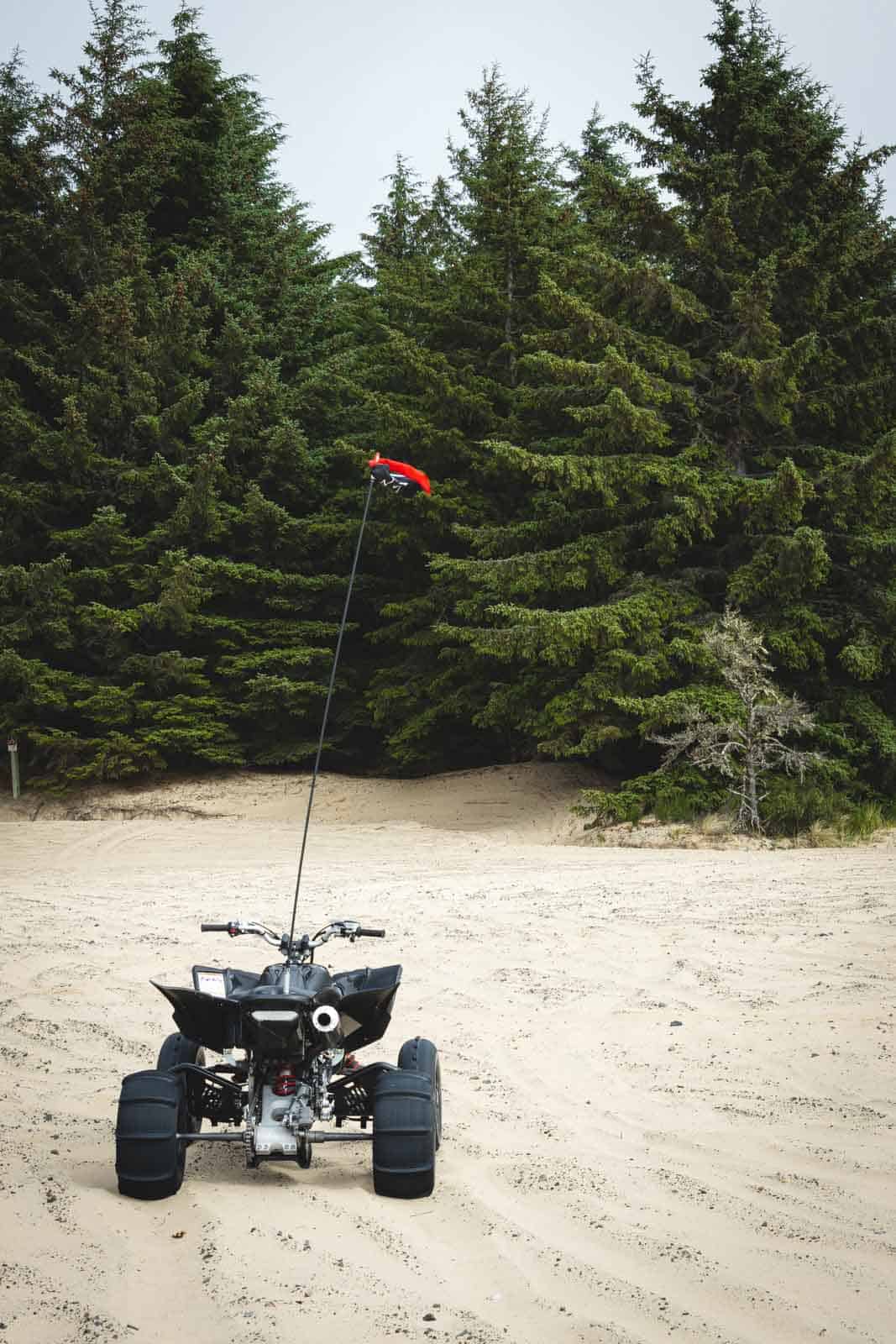
For those considering a dedicated four-wheeler, options such as NTX Power Sports’ premium 125cc ATV lineup provide enough power for beach sand or mellow forest roads without the high cost of a full-size side-by-side.
Know Before You Go
- An Oregon ATV permit is required on most public lands for all classes of OHVs.
- Be aware of seasonal wildfire closures, as emergency shutdowns are common from July through September.
- Always perform daily weather checks, as coastal areas can experience king-tide flooding and desert regions are prone to dangerous flash-flooding.
| Warning/Important: Oregon’s terrain is dynamic. Always check for last-minute wildfire closures and flash-flood warnings, as conditions can change rapidly. Your safety depends on being informed before you hit the trail. |
Best Beginner-Friendly Off-Road Routes in Oregon
For those new to off-roading, Oregon offers many scenic and manageable trails to build confidence and skills. These routes focus more on breathtaking views than on technical challenges, making them perfect for stock SUVs and family outings. Always start with a trial well within your comfort level.
Bennett Pass Road (Mt. Hood National Forest)
This is a classic introductory trail that delivers iconic, postcard-worthy views of Mt. Hood. The road is primarily gravel and dirt, making it accessible to most stock high-clearance SUVs. It’s an excellent choice for a day trip to experience the beauty of the Cascade Range without requiring a heavily modified vehicle.
🏨 Need a place to crash nearby?
From rustic cabins to boutique inns—check prices and availability in just a click.
Millican Valley OHV Trail System (Bend)
Located in the high desert east of Bend, the Millican Valley system is a fantastic place to learn. It provides year-round riding opportunities with 255 miles of designated routes, including many wide, easy loops suitable for beginners. The well-marked trails and open terrain help newcomers practice navigation and vehicle control in a forgiving environment.
Oregon’s Must-Try 4×4 & OHV Trails (Intermediate–Advanced)
For those with experience and a capable rig, Oregon delivers some of the most challenging and rewarding terrain in the Pacific Northwest. These iconic destinations will test your skills and leave you with lasting memories. Proper preparation and a reliable vehicle are essential for tackling these routes.
Sand Lake Recreational Area (Pacific City)
Nothing feels more like a northern Pismo Beach than carving up 40- to 70-foot dunes with the Pacific Ocean roaring just a hundred yards away. To conquer the sand, air down your tires to 12–15 psi and carry traction boards for recovery. Double-check tide tables to avoid the soft, mushy “soup” near the waterline.
A permit is required, which you can get as a day pass or an annual Oregon ATV sticker. For the best experience, arrive between Tuesday and Thursday when you might just have entire sand bowls all to yourself.
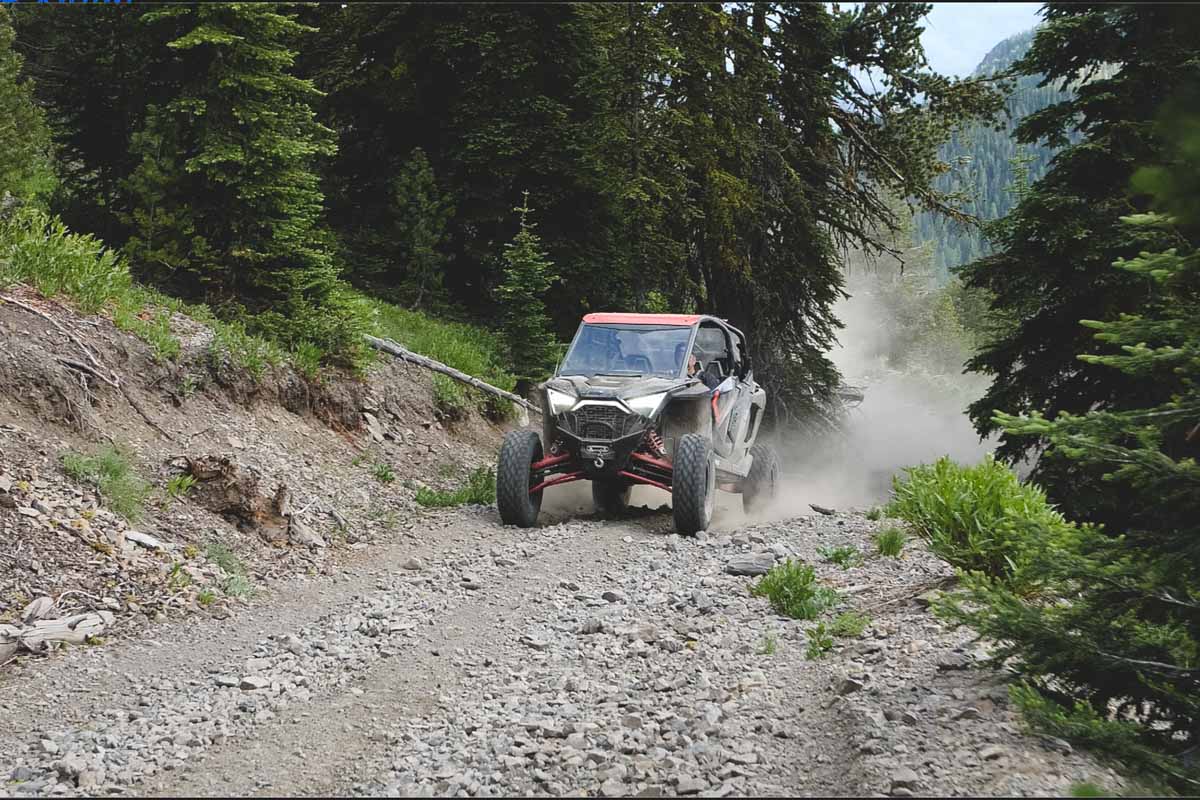
Oregon BDR Section 5 (Detroit to Hoodoo)
While Section 5 may be short by Backcountry Discovery Route standards, it packs a serious punch. The climbs at Cedar Burn and Santana will be a workout for both your vehicle and your driving focus.
Lingering snow can be an issue until mid-July, so plan accordingly. It’s essential to download the official GPX track and carry paper map backups, as the dense tree canopy frequently knocks out service.
Tillamook State Forest OHV Network (Tillamook)
With over 250 miles of interconnected loops, the Tillamook State Forest (TSF) is widely considered Oregon’s off-roading crown jewel. The Browns Camp staging area serves as the social hub, but the real tests are out on the trails.
Expect a perfect sampler of advanced terrain, including deep muddy ruts, technical rock gardens, and legitimate creek crossings.
🕒 Save hours of planning time! ⛰️
📍 Get The Ultimate West Coast Map
1400+ breweries, trails, waterfalls, beaches, and weird roadside stops—mapped for you!
Eastern Alvord Desert Plateau (Basque)
Imagine a 12-by-7-mile alkali flat where speed limits practically vanish. The Alvord Desert offers a unique feeling of freedom, but it demands respect. Avoid the wet “thin crust” zones, which can easily swallow an axle.
It is critical to pack out every single scrap of trash, as the persistent wind will redistribute anything left behind for miles. As a bonus, the area offers access to wild hot springs and some of the most incredible stargazing you will ever experience.
Leslie Gulch Road (Jordan Valley)
This trail is a journey through a geologic wonderland, framed by towering volcanic tuff spires. The narrow gravel road eventually mutates into short, ledgy climbs past Juniper Gulch.
While a standard two-wheel-drive vehicle can handle the first eight miles, a 4×4 with low range is highly recommended for anything beyond. Be extremely cautious of lightning-triggered flash floods, as escape routes are scarce.
Planning Your Trip – Permits, Prep & Pro Tips
A successful trip starts long before you hit the trail. Proper planning ensures you’re legal, safe, and ready for whatever the terrain throws at you. Understanding Oregon’s permit system, seasonal hazards, and vehicle preparation is key.
Permit Matrix
- Oregon ATV Permit: Required on approximately 95% of motorized routes.
- Northwest Forest Pass: Covers trailhead parking fees in many USFS lands.
- OR State Park Day-Use Pass: Needed for vehicle access at specific coastal sites.
Seasonal Hazards
- Wildfire: Always check InciWeb and local ranger district hotlines from July through September.
- Snowpack: High-elevation mountain passes may remain blocked by snow until mid-July.
- King Tides: The hard-packed sand on coastal routes can turn to quicksand during extreme high tides, typically from November to January.
Vehicle Prep Essentials
Your vehicle is your lifeline in the backcountry, so ensure you are within its Gross Vehicle Weight Rating (GVWR) when fully loaded. Prepare a tire-pressure plan: sand typically requires 12–15 psi, gravel is best at 20 to 24 psi, and always return to the manufacturer’s specification for the highway.
A basic recovery kit is non-negotiable and should include a rated snatch strap, shackles, a shovel, traction boards, and an air compressor.
| Key Insight: While permits get you to the trailhead, a proper recovery kit is what gets you home. A rated strap, shackles, and traction boards are non-negotiable items that turn a potential trip-ending disaster into a simple inconvenience. |
Resources & Communities to Keep You Rolling
Connecting with the local community and using the right resources can elevate your experience and keep you informed. Here are some essential tools and groups:
- Oregon ATV Permit Portal (Oregon Parks)
- USFS Interactive OHV Maps
- BLM Georeferenced PDFs for Alvord & Leslie Gulch
- Recommended Apps: Gaia GPS, OnX Offroad, Avenza
- Facebook Groups: “Oregon Off-Road Nation,” “PNW Overlanders”
- Forums: Expedition Portal PNW section, IH8MUD Oregon thread
Your Next Steps
Now you have the inspiration and the information to get started. Here’s what to do next:
- Pick a trail from this guide that matches your current comfort zone and download the GPX file.
- Double-check all permit requirements and the latest weather forecast the night before you depart.
- Share your trip report in the comments below or post your photos to social media.
- Subscribe to our newsletter for monthly route spotlights, gear reviews, and timely wildfire-closure alerts.
Ride responsibly, tread lightly, and help us keep Oregon’s trails open and epic for every adventurer who follows in your tracks.