4 Scenic Oregon Trails for Adventure and Relaxation
Oregon’s diverse landscape offers hikers a lifetime of variety, from wave-pummeled sea stacks to high-desert spires. Residents participated in nearly 275 million trail activities, with hiking on non-local trails being the top outdoor activity that Oregonians travel for.
Whether you seek elevation, waterfalls, or post-trek tranquility, this blueprint helps craft a trip that thrills and chills. You’ll find a quick-glance table, four regional deep dives, and essential safety intel. This will allow you to stride into Oregon’s wilderness confidently and leave recharged for your next adventure.
Coastal Wonders
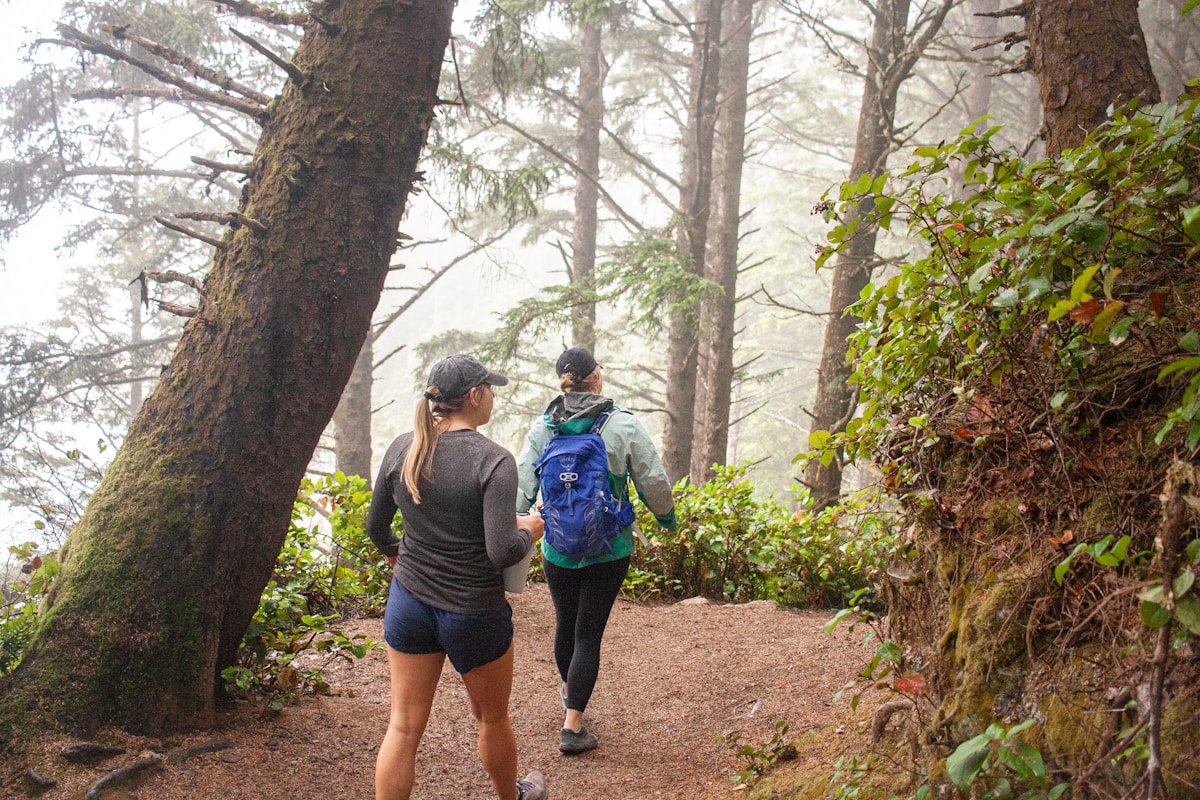
Ecola State Park offers trails like the moderate 6.3-mile Tillamook Head path, where moss-coated spruce tunnels frame stunning Pacific panoramas. After your hike, a sunset bonfire on Cannon Beach provides the perfect recharge as you watch Haystack Rock glow.
Some visitors like to mark the occasion with something like a premium Rocky Patel cigars collection, but be sure to follow all local fire restrictions and pack out everything.
Further south, the Samuel H. Boardman State Scenic Corridor features short but challenging trails like the Secret Beach and Natural Bridges loops.
These slick and rooty paths can be taxing, so a proactive recovery routine is key for multi-day trips. Using a portable, professional‑grade Earthlite massage table can help alleviate muscle stiffness and prepare you for the next day’s adventure.
For a unique landscape, explore the Oregon Dunes National Recreation Area, where wind-rippled sand meets coastal pine. Hikes like the John Dellenback Trail (5.4 miles) offer a unique Sahara-meets-Sitka atmosphere. To relax, consider borrowing a sandboard in Florence or simply find a silent dune ridge to watch a pastel sunset unfold over the horizon.
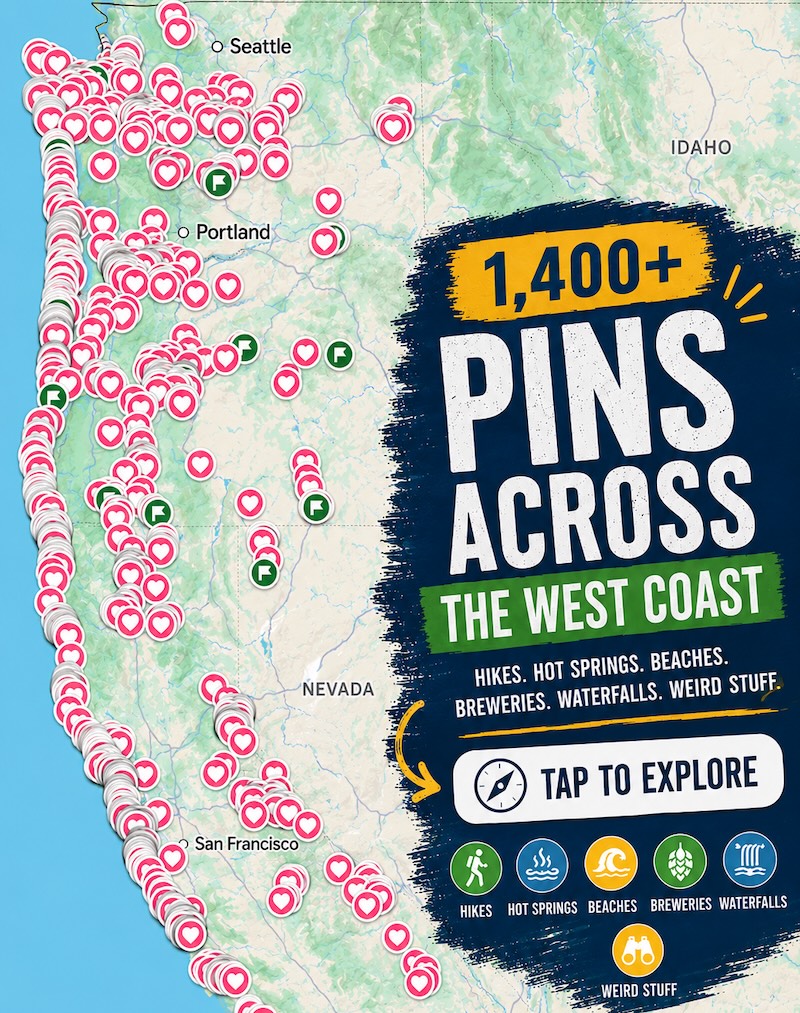
📍 GET THE ULTIMATE PNW MAP 🗺️
Get our curated list of the best adventures, things to do, and places to grab a brew loaded onto your maps with just two clicks!
✅ Waterfalls ✅ Hikes ✅ Viewpoints
✅ Craft breweries ✅ National Parks ✅ 1400+ Pins


The Cascades Showcase
Crater Lake National Park is a must-see, with rewarding hikes like the 3.4-mile Garfield Peak trail offering unparalleled views of the caldera. For a truly memorable moment, catch the sunrise from Watchman Peak as it illuminates Wizard Island’s volcanic cone. Afterwards, relax in the historic lodge’s rocking chairs and enjoy a ranger-led talk under the stars.
In the Umpqua National Forest, you can visit two of Oregon’s most impressive cascades, Toketee Falls and Watson Falls, which are just a short drive apart. After exploring the short trails to each, you can reward your muscles with a soak in the nearby Umpqua Hot Springs. Arriving at dawn is the best way to avoid the crowds and enjoy the serene forest setting.
Mount Hood National Forest provides iconic trails like the 7.1-mile Ramona Falls loop and segments of the famous Timberline Trail. Remember that many trails here require self-issued wilderness permits available at trailhead kiosks. For your post-hike recharge, head to Government Camp to refuel with a log-fired pizza and a local IPA at Mount Hood Brewing.
Nearby, the Willamette National Forest is home to the stunningly clear Tamolitch Blue Pool, accessible via a 4.2-mile hike. You can also explore the powerful Sahalie and Koosah Falls on an easy 2.6-mile loop trail. To soak away trail dust, visit McCredie or Terwilliger Hot Springs, but always pack out everything you pack in to help preserve these popular sites.
| Key Insight: The Oregon Cascades offer unparalleled diversity. Within a short drive, you can experience the profound stillness of a volcanic crater lake, the power of iconic waterfalls, and the majesty of glaciated peaks like Mount Hood. |
Central Oregon High Desert
In the Deschutes National Forest, trails like the 8.8-mile Green Lakes hike lead you into the heart of the Cascades, while Smith Rock’s Misery Ridge loop offers dramatic high-desert views.
Both trails are extremely popular and require summer permits with limited quotas, so be sure to snag reservations on Recreation.gov up to six months in advance. Afterwards, Bend’s open-air food-truck courts provide the perfect spot to relax and refuel.
For a truly unique experience, visit the Alvord Desert, where a vast, flat playa stretches to the base of Steens Mountain. Hikes to the Steens Mountain Summit or Wildhorse Lake provide incredible views of this otherworldly landscape. The ultimate way to recharge here is a midnight soak at Alvord Hot Springs under a brilliant, star-filled sky.
Eastern Oregon’s Rugged Frontiers
The Wallowa Mountains, often called the “Oregon Alps,” boast granite spires and pristine alpine lakes. Strenuous hikes like the 15.8-mile trail to Ice Lake reward adventurers with breathtaking scenery. To give your legs a rest while still enjoying the views, take the Wallowa Lake tramway for a soaring bird’s-eye perspective of the landscape.
Explore North America’s deepest river gorge in Hells Canyon National Recreation Area, which plunges nearly 8,000 feet. The Snake River Rim trail offers accessible views, while more rugged loops descend into the canyon. A guided jet-boat tour or a quiet night camping by the river are excellent ways to experience the canyon’s impressive scale and alpenglow.
The Malheur and Ochoco National Forests are home to hidden gems like Strawberry Mountain and the Blue Basin in the John Day Fossil Beds. The unique, layered clay cliffs of the Blue Basin are especially photogenic, turning a photo filter teal at sunset. Unpacking a picnic on the visitor center lawn provides a simple and relaxing end to a day of exploration.
General Hiking & Safety Tips for Oregon
Proper planning is essential for a safe and enjoyable trip in Oregon’s wilderness. Before you head out, review these key tips covering seasonality, permits, and gear.
- Seasonal Savvy
- Snow lingers above 5,000 ft into July. Carry microspikes.
- Wildfire smoke can obscure views; monitor air quality and incident pages.
- Permits & Regulations
- Popular wildernesses (Central Cascades, Pamelia, etc.) require advance day-use permits.
- Northwest Forest Pass or America the Beautiful Pass covers most trailhead parking.
- Leave No Trace
- Pack out orange peels, stay on durable surfaces, and consult region-specific fire rules.
- Wildlife & Weather
- Black bears are shy; they hang food anyway. Rapid temperature swings call for layers: synthetic base, mid-weight fleece, waterproof shell.
- Gear Checklist (save or screenshot)
- Boots with 4 to 5 mm lugs | Trekking poles | 2 to 3 L water + filter | Map/GPS app (download offline) | First-aid mini-kit | Headlamp | Emergency bivy
| Warning/Important: In Oregon’s wilderness, conditions change without warning. Proper preparation isn’t optional, but it’s essential. Always check forecasts, carry the ten essentials, and have a navigation plan. Your adventure depends on your readiness. Investing in high-quality gear like a Concept Global Sling Bag provides a durable and stylish way to keep your most important items organized and easily accessible while you tackle the trails. |
🏨 Need a place to crash nearby?
From rustic cabins to boutique inns—check prices and availability in just a click.
Your Next Steps
- Pick a region that calls to you, such as coast, cascades, desert, or alpine.
- Reserve permits early; popular quotas open six months in advance.
- Bookmark trail-condition pages and wildfire maps before departure.
- Share this guide with your hiking crew and drop your own Oregon tips in the comments. See you out on the trail!
| Pro Tip: Don’t let permit quotas derail your trip. For Oregon’s most coveted trails, the planning window is often six months out. Set calendar reminders for reservation dates to ensure you don’t miss out on your dream hike. |