4 Essential Heated Gear Picks for Oregon Adventures
Few states can match Oregon’s outdoor diversity or its knack for bone-deep cold. From January fog at Cannon Beach to wind-whipped snowfields on Mount Hood, frigid moisture ends more adventures than any twisted ankle ever will. But cold-weather tech has evolved dramatically, and modern battery-powered heated clothing can keep you warm, dry, and moving.
This guide demystifies how heated apparel works, compares options, and shares field-tested layering tips for your next outing.
Oregon Climate Reality Check
Oregon’s climate is famously damp and chilly. According to NOAA, the annual precipitation west of the Cascade Mountains ranges from 40 to 140 inches, feeding a network of over 112,000 miles of rivers and streams. While the average annual precipitation for the entire state is 28 inches, the combination of humidity and wind chill makes even a 40°F forecast feel brutal.
Nothing ends a Columbia Gorge waterfall hike faster than frozen fingers or a soaked core, especially when warmth is hours away. Heated gear directly addresses this challenge by supplying on-demand warmth that traditional layers cannot match.
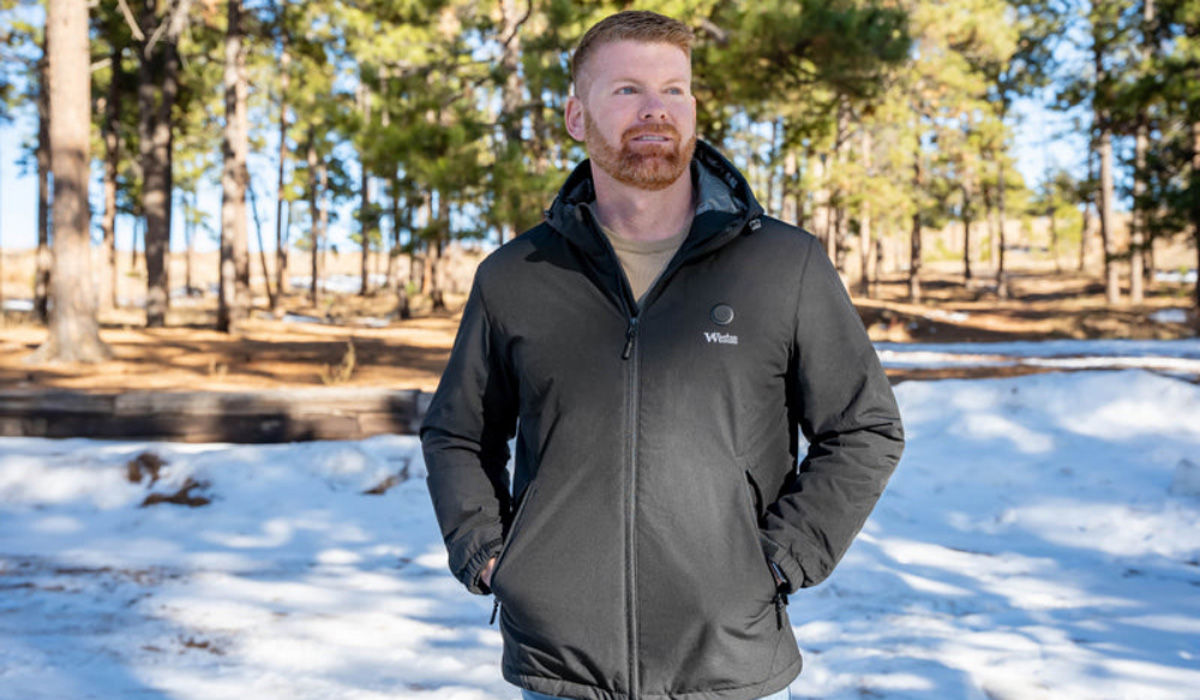
A modern, well-designed piece such as Weston Store’s battery-powered heated jacket can be the difference between a miserable retreat and a memorable adventure.
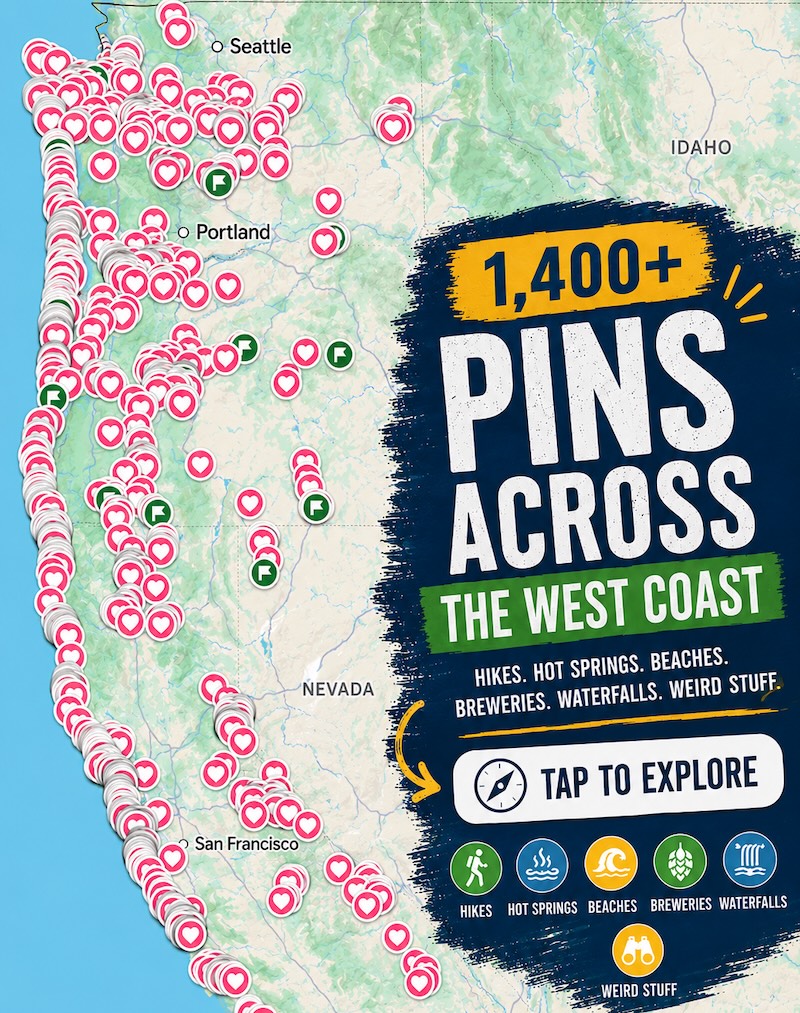
📍 GET THE ULTIMATE PNW MAP 🗺️
Get our curated list of the best adventures, things to do, and places to grab a brew loaded onto your maps with just two clicks!
✅ Waterfalls ✅ Hikes ✅ Viewpoints
✅ Craft breweries ✅ National Parks ✅ 1400+ Pins


How Heated Clothing Works
Battery Systems
Heated gear is powered by one of three common battery types:
- 5-volt USB packs: Lightweight and versatile, these often double as phone chargers and are typical in entry-level vests.
- 7-volt lithium packs: This is a common sweet spot for jackets and gloves, providing a solid balance of heat output and runtime.
- 12-volt tool-platform batteries: Systems like Milwaukee’s M12 tap the same powerful cells that power drills, delivering high output for all-day warmth.
Heat Elements and Zones
Thin, flexible carbon-fiber wires are woven through high-priority zones, typically the chest, back, shoulders, and sometimes the collar and pockets. A small microcontroller allows you to cycle through three or four temperature settings, ranging from roughly 100°F to 135°F. For safety, built-in shut-offs prevent any chance of overheating.
Runtime and Durability
You can generally expect three to eight hours of warmth per charge, depending on the battery voltage and heat level selected. Most modern garments are designed to survive machine washing on a gentle cycle after unplugging the battery.
Abrasion-resistant outer shells and waterproof membranes protect the electronics from Oregon’s relentless drizzle.
| Key Insight: The battery’s voltage is the most critical factor. Higher voltage (7V or 12V) provides more powerful heat and longer runtime, making it essential for seriously cold, all-day Oregon adventures. |
🏨 Need a place to crash nearby?
From rustic cabins to boutique inns—check prices and availability in just a click.
Gear Categories in Depth
Heated Jackets
Buying Tips
When selecting a heated jacket, consider these key factors:
- Check shell fabric: Softshell repels drizzle, puffer excels in dry cold, and hardshell is for handling serious storms.
- Hood vs no hood: Hoods add some weight but are invaluable for sealing in warmth and are a must for backcountry skiers.
- Battery interchangeability: Using swappable battery packs can cut downtime between ski laps or long hikes.
Vests and Base Layers
The ActionHeat 5V Vest Liner is designed to slide discreetly under any hard shell, making it perfect for activities where arm mobility is critical. For more heat output, the Gerbing 7V Vest Liner features low-profile connectors so you barely notice the electronics. It’s an ideal piece to wear beneath a waterproof jacket for a cold, wet run on Forest Park’s Wildwood Trail.
Gloves and Mittens
Gerbing Atlas Ultra-Flex gloves feature a waterproof and breathable insert, a micro-ripstop shell, and touchscreen-compatible fingertips. The ActionHeat Premium Gloves have leather palms to improve grip on a fly rod and a budget-friendly price. This leaves cash for an extra battery.
🕒 Save hours of planning time! ⛰️
📍 Get The Ultimate West Coast Map
1400+ breweries, trails, waterfalls, beaches, and weird roadside stops—mapped for you!
Selecting Gloves
Keep these points in mind to find the right fit and function:
- Sizing: Heated gloves often run snug; consider sizing up if you plan to wear liner gloves underneath.
- Loft: More insulation can reduce the maximum heat you feel, so balance dexterity needs with warmth.
- Spare packs: Always stash charged batteries in an inner pocket to keep the lithium cells warm and efficient.
RELATED: What to Do at Mount Hood in Winter
Accessories and Spare Power
Extra M12 or 7‑volt battery packs are essential for keeping the warmth flowing during multi‑day hut trips. Dual‑port chargers can top off two batteries overnight, and car adapters let you juice up your packs on the drive to Mt. Bachelor.
To keep chargers and spare batteries protected from impacts and cold, consider organizing them in durable, travel‑ready custom hard cases. Remember to pack USB power banks for 5‑volt gadgets, but note that frigid temperatures will drain these smaller cells much faster.
| Pro Tip: Always carry a fully charged spare battery. To maximize its efficiency, keep the spare in an insulated inner pocket, as cold temperatures can rapidly drain lithium cells and reduce performance. |
Layering Tips for the Pacific Northwest
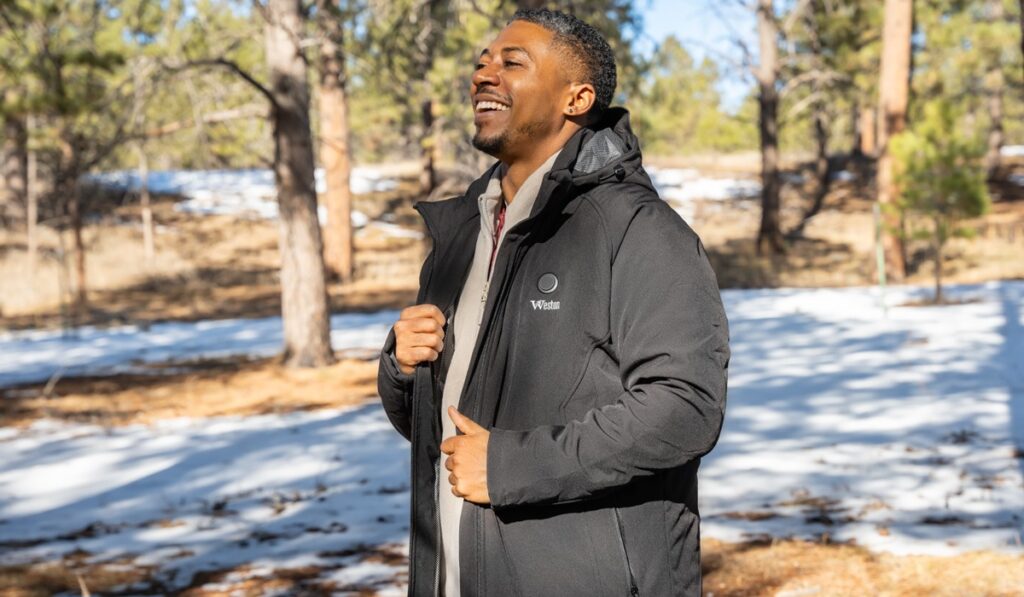
The classic three-layer system thrives here. For best results, follow this framework:
- A synthetic or merino wool base layer to pull sweat and moisture off your skin.
- A heated mid-layer (vest, hoodie, or jacket) to provide active, on-demand warmth.
- A waterproof, breathable shell to block wind and rain while allowing moisture to escape.
Sample Kits
Here are two examples of effective layering for different Oregon scenarios:
- Snowshoeing Mount Bachelor (15°F, windy): Mid-weight merino top → ActionHeat vest liner on Medium → hardshell bib and jacket → thin fleece beanie under helmet → Gerbing Atlas gloves.
- Storm-watching Cannon Beach (38°F, horizontal rain): Quick-dry tee → heated jacket on Low → seam-taped rain parka → waterproof pants → surplus rubber boots.
| Key Insight: Heated apparel functions as an active mid-layer, designed to replace a bulky fleece or puffer. This strategy reduces bulk and improves mobility while providing more reliable, on-demand core warmth. |
Buying & Maintenance Guide for Oregonians
Where to Shop
You can find heated apparel at a variety of local and online retailers:
- Ace Hardware: You can find surprisingly large Milwaukee tool and apparel displays and grab an extra M12 battery.
- REI Co-op: Carries brands like ActionHeat and Gerbing, with diagnostic staff who actually use the products.
- Local Shops: Portland’s Next Adventure and Bend’s Powder House have deep knowledge plus select heated gear.
- Online specialty shops: Direct-from-manufacturer sites often list bundle deals and new model launches first.
Warranty Snapshot
Most electronics carry a one-year coverage plan, while some brands will warranty the stitching and fabric for life. Be sure to register your jacket online, as proof of purchase helps if a heating pad fails down the road.
Care & Storage
Proper maintenance will extend the life of your gear and ensure safety:
- Always detach batteries before washing.
- Use a gentle cycle with mild detergent; skip fabric softeners that can clog breathable membranes.
- Hang dry only. High heat from a dryer can melt wiring insulation.
- Store spares at approximately 50% charge in a space between 40°F to 80°F.
| Warning/Important: Improper battery care is a safety risk. Never use a machine dryer on heated gear, and always store batteries at 50% charge in a cool, dry place to prevent damage. |
Making It Happen
Cold no longer has to dictate your itinerary. Charge your gear, check the forecast, layer smart, and hit the trail. Whether it’s a predawn waterfall hike or night-skiing on Mt. Hood, heated clothing keeps blood flowing. The only signal to head home will come from your stomach, not from numb toes.
Adventure Checklist
Before you head out, run through this final checklist:
- Charge all batteries (and carry at least one spare).
- Pack gear in a waterproof stuff sack or hard case.
- Dress in a moisture-wicking base layer.
- Set your heated garment to Low at the trailhead, dialing it up on rest breaks.
- Stay hydrated. The sensation of warmth can mask dehydration cues.
- Celebrate a perfect day outdoors, rain or shine.
Oregon’s weather is unpredictable, but your comfort level doesn’t have to be. Armed with smart layering, quality gear, and a reliable heat source humming beneath your shell, you can explore the Pacific Northwest in its full winter glory.