3 Proven Tips to Maintain Your Oregon RV
Few places put an RV through the wringer like Oregon. One week you’re hugging the salty breeze of the Coast, the next you’re climbing sun-baked high-desert roads outside Bend.
These shifting climates, combined with infrastructure challenges like how 72% of the state highway system is at high risk of inland flooding, can quietly chew through sealants and systems. These proven tips will help keep your Beaver State road-trips rolling year-round.
Tip 1: Master Proactive Inspections and Cleaning
Constant vigilance is your best defense against Oregon’s varied environments. After any coastal weekend, give your rig a low‑pressure rinse to clear corrosive salt spray, paying special attention to roof hardware and slide‑out toppers. For small cracks or seam touch‑ups, consider Liquid Rubber’s RV roof repair to seal trouble spots before they spread.
Keeping a collapsible ladder on board allows you to regularly sweep pine needles and moss off roof membranes before they trap moisture and cause damage.
Interior moisture control is just as critical, especially in Western Oregon’s valleys, which can see over 150 rainy days a year. Mold can creep in fast. Place disposable moisture absorbers in closets and cabinets, and wipe condensation off window frames each morning to prevent corrosion on aluminum frames.
A quick wipe-down after every coastal trip and a full interior sweep monthly will go a long way.
| Pro Tip: A quick rinse after coastal trips and daily window wipes in wet weather are small habits that prevent big problems like rust, corrosion, and mold from taking hold. |
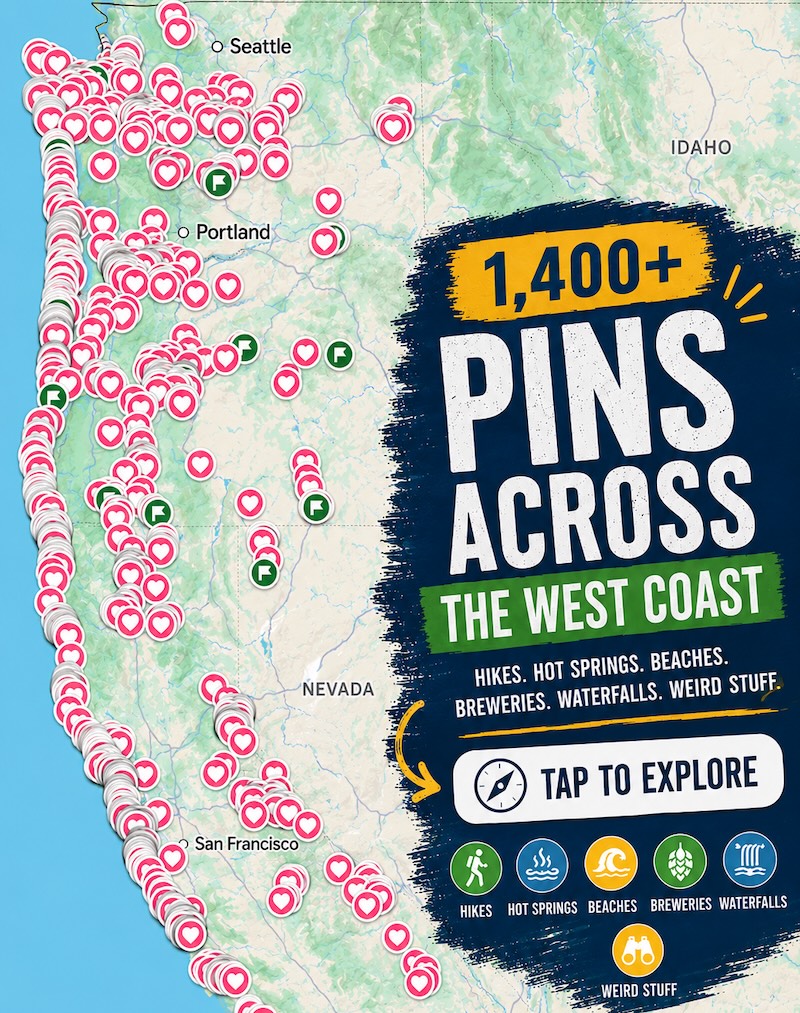
📍 GET THE ULTIMATE PNW MAP 🗺️
Get our curated list of the best adventures, things to do, and places to grab a brew loaded onto your maps with just two clicks!
✅ Waterfalls ✅ Hikes ✅ Viewpoints
✅ Craft breweries ✅ National Parks ✅ 1400+ Pins


Tip 2: Manage Core Systems for Oregon’s Extremes
Oregon’s mountain passes mean long, demanding climbs for your engine, and wildfire season brings its own unique challenges. With emergency road maintenance costs reaching over $58 million in recent years, it’s wise to be prepared.
Always check your oil before tackling elevation changes, and if you drive through smoky areas, plan to swap your air filters more frequently to maintain performance.
Protecting the rig’s exterior shell is just as critical as maintaining its engine. The roof, in particular, endures both high-desert sun and coastal mist. When it’s time to reseal, using durable coatings can create a flexible, UV-resistant membrane that prevents leaks and prolongs the life of your roof.
Your AC unit also needs attention, since the lifespan of RV AC units can be shortened to just one to two years with full-time use. Stick to enzyme-based tank cleaners, which work well in cooler coastal temperatures and comply with Oregon DEQ guidelines.
Always use a water-pressure regulator at campgrounds, as many sites deliver pressure high enough to burst a hose.
| Warning/Important: Always use a water pressure regulator at campgrounds. Many Oregon sites have pressure high enough to burst your RV’s plumbing, causing extensive water damage that is costly and difficult to repair. |
Tip 3: Perfect Your Seasonal Prep and Storage Strategy
Preparing for the season is key to avoiding costly repairs. For summer heat in places like the Rogue Valley, check tire pressure when cold and use UV covers when parked to protect the rubber from 100°F blacktop temperatures. If you’re storing a tow vehicle alongside the rig, consider all‑weather car covers.
For winter, especially in areas like Bend, where nights dip well below freezing, you must pump RV antifreeze through all lines to prevent pipes from bursting.
When it comes to storage, you have options, from expensive indoor units to affordable open-air lots. For any long-term storage, turn off the propane, use a battery tender, and stuff steel wool in exhaust pipes to block critters.
Even between trips, protecting your investment from the elements is crucial. A breathable, all-weather cover provides a powerful defense against UV rays and moisture. Quality options shield your RV’s paint and seals without trapping damaging condensation underneath.
| Key Insight: Proper seasonal prep isn’t just a suggestion, but it’s your best insurance against catastrophic failures. A few hours of winterizing can save you thousands by preventing burst pipes in a freezing Oregon winter. |
The Path Forward
Oregon’s four seasons reward the prepared. A little preventive care now means more miles of tide-pool exploring, alpine trailhead hopping, and desert-sky stargazing later. It is exactly why you bought that rig in the first place.