How to Handle Unexpected Problems on the Trail
Even the most carefully planned hike can get sidetracked by something unexpected. A sudden storm, a closed trail, or a broken piece of essential gear can quickly turn a perfect day outdoors into a stressful situation. You can’t prevent every possible problem, and that’s okay. The real goal is to be ready to handle these issues calmly and safely when they pop up. Knowing how to adjust on the fly will keep a small snag from becoming a big headache.
Weathering the Storm
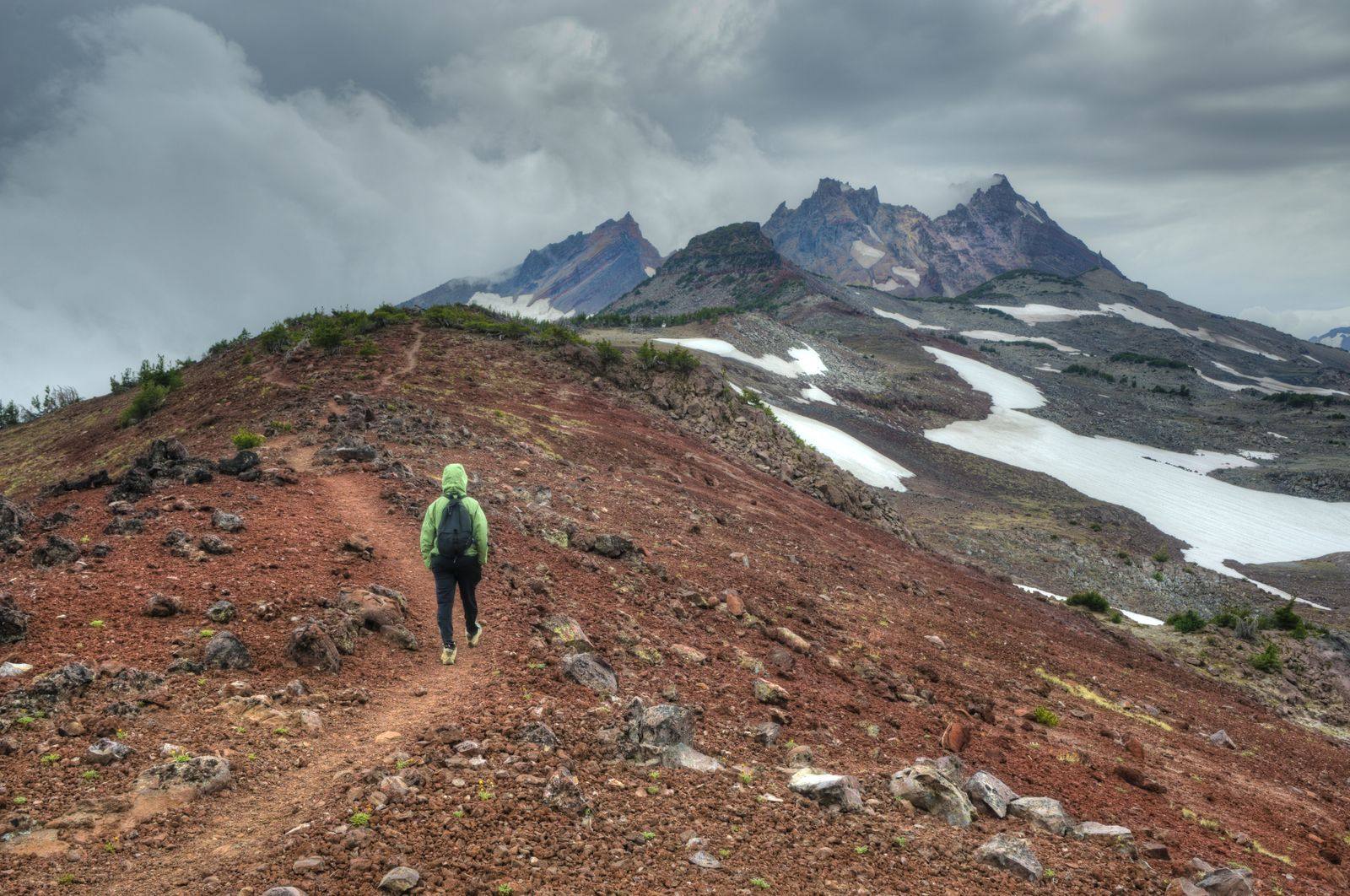
The weather forecast is a great tool, but it’s not always spot-on. A sunny morning can quickly change into an afternoon of thunderstorms, strong winds, or a sudden drop in temperature. If you get caught in bad weather, your first concern is safety. When you see dark clouds rolling in or hear distant thunder, take a moment to check your surroundings. If you’re above the treeline or on an exposed ridge, head to a lower elevation right away.
Don’t shelter under a lone tree, as it can attract lightning. Instead, look for a thick cluster of smaller trees or a low-lying area. Huddling in a ravine or ditch is safer than being out in the open. Always pack a waterproof rain jacket and pants, even if the day starts clear. These layers can prevent hypothermia and keep you comfortable while you wait for the storm to pass or make your way back to the trailhead.
📍 GET THE ULTIMATE PNW MAP 🗺️
Get our curated list of the best adventures, things to do, and places to grab a brew loaded onto your maps with just two clicks!
✅ Waterfalls ✅ Hikes ✅ Viewpoints
✅ Craft breweries ✅ National Parks ✅ 1400+ Pins


Unforeseen Trail Closures
You’ve driven for hours, only to arrive at the trailhead and find a “Trail Closed” sign blocking the way. It’s frustrating, but these closures are there for good reasons. They might be because of wildfire risk, animal activity, or trail damage from erosion or fallen trees. Ignoring a closure sign is not just disrespectful; it’s dangerous. It puts you at risk and can cause more damage to the trail, which just delays its reopening.
Always have a backup plan. Before you leave home, pick out a second or even third nearby trail you’d be happy to hike. That way, a closure just means a minor change of plans instead of ruining your whole day. These closures aren’t random; they’re often put in place to protect fragile ecosystems from damage or to keep hikers safe after heavy rains.
Dealing with Lost or Damaged Gear
A broken tent pole, a faulty water filter, or a lost headlamp can quickly turn from a minor annoyance into a serious problem. This is where a small repair kit and some clever thinking really help. A few feet of duct tape can patch a tear in a jacket or a tent, while safety pins can temporarily fix a broken backpack strap. Always carry backups for essential items, such as water purification tablets.
If expensive gear is lost, stolen, or damaged while you’re travelling to your destination, travel insurance providers such as Generali may help reimburse covered losses, helping reduce the financial impact once your trip is over. While you’re on the trail, however, having backup equipment remains your best line of defence.

When Plans Go Sideways
Sometimes, delays have nothing to do with gear or weather. A group member might be struggling with the altitude, or you might realize the trail is much harder than you expected. Pushing ahead because of pride or a desire to stick to the original plan is a common mistake that can lead to exhaustion, injury, or worse. It’s really important to be honest about what your group can handle and be willing to turn back.
There’s no shame in cutting a hike short to make sure everyone gets back safely. A good rule of thumb is to check in with your group regularly. If someone isn’t feeling well or the pace is too slow to reach your destination before dark, it’s time to make a new plan, even if that plan is just to head back to the car.
Emergency Communication Strategies
In a real emergency, being able to call for help is vital. But many of the best trails are far from reliable cell service. That’s why carrying a communication device that doesn’t rely on cell networks is a smart move for anyone going into the backcountry. Devices like a Personal Locator Beacon (PLB) or a satellite messenger can be a lifesaver, letting you send an SOS signal or text when you’re out of range.
Before you depend on one, it’s important to understand how these devices work and what their limits are. Always leave a detailed itinerary with someone at home. This should include your planned route and when you expect to return. Tell them when to expect a call from you and when they should start a search if they haven’t heard from you.
The trail will always have its surprises. By thinking ahead about potential delays and having the right mindset and tools to deal with them, you can make sure your adventures stay safe and fun, no matter what comes your way.