4 Surprising Eco-Friendly Ways to Explore Oregon Wilderness
Oregon’s waterfalls gush 10,000 gallons of water a second, yet the state still manages to be a leader in environmental stewardship. 69% of electricity generated in Oregon came from non-greenhouse gas emitting resources, a compelling snapshot of the Pacific Northwest’s mindset.
If you’re dreaming of mist-soaked trails and old-growth forests, you can experience it all while keeping your environmental footprint light.
Here are four surprising and effective ways to travel kindly through Oregon’s wild places.
1. Go Car-Free: Low-Carbon Transportation Options
Since transportation accounts for about one-third of Oregon’s energy use, choosing how you get around is one of the most impactful decisions you can make. Fortunately, the state offers robust alternatives to driving a personal vehicle. Exploring these options reduces your carbon footprint and often provides a more scenic, relaxing travel experience.
📍 GET THE ULTIMATE PNW MAP 🗺️
Get our curated list of the best adventures, things to do, and places to grab a brew loaded onto your maps with just two clicks!
✅ Waterfalls ✅ Hikes ✅ Viewpoints
✅ Craft breweries ✅ National Parks ✅ 1400+ Pins


Ride the Rails
Amtrak Cascades links Vancouver, B.C., Seattle, Portland, Salem, and Eugene up to four times daily. The trains feature roll-on bike cars, adjustable family seating, and Wi-Fi. For a scenic weekend, ride from Portland to Eugene to pair rail travel with Willamette Valley farm stays, or take a day trip to the Columbia Gorge.
Coast-to-Coast Buses & Shuttles
You can easily explore the coastline without a car. The North Coast Express runs between Portland and Cannon Beach, perfect for a day of surfing. The South & Central Coast Connectors link cities like Eugene or Salem to Florence and Coos Bay, letting you enjoy beaches without parking stress.
In-State Public Transit Hacks
Rural networks like Tillamook’s “The WAVE” or Cascades East Transit reach a surprising number of trailheads. You can plug routes into transit planning websites and filter for bike-friendly buses. It’s wise to screenshot timetables, as cell service often wanes beyond city limits.
EcoShuttle Charters & Small-Group Tours
For group outings to wine country or waterfall circuits, this Portland-based company runs biodiesel vans. This is a smart choice considering 60% of the fuel used by the Oregon Department of Transportation was bio or renewable diesel. The company also offsets its remaining carbon footprint via local forestry projects.
🏨 Need a place to crash nearby?
From rustic cabins to boutique inns—check prices and availability in just a click.
When You Need Wheels: EV & Hybrid Rentals
Most major rental agencies at Portland International Airport (PDX) now stock electric vehicles, and booking ahead can unlock state-subsidized discounts. Use a charging station mapping app to find the over 1,200 ports that dot Oregon. Many are conveniently located inside trailhead parking lots.
| Pro Tip: Combine rail and bike for an unforgettable, car-free wine tour. Amtrak’s $5 roll-on bike fee makes it easy to access the Willamette Valley’s scenic backroads responsibly. |
2. Sleep Green: Eco-Friendly Lodging & Amenities
Certified Green Hotels & Lodges
Look for accommodations with Travel Oregon’s “Certified Sustainable” badge, LEED Platinum plaques, or Green Seal approval. Hotels like The Hi-Lo in Portland and the Inn at the Commons in Medford often post their annual water-usage data and compost their kitchen scraps.
Cabins, Yurts & Eco-Ranches
Consider staying in off-grid Eagle Cap yurts that run on solar lanterns and pellet stoves. Another option is the WildSpring Guest Habitat in Port Orford, which supplies guests with reef-safe toiletries. Remember to practice Leave No Trace principles, even on private property.
Urban Hostel Highlights
Eco-conscious hostels offer great value. Portland’s NW Hostel harvests rainwater for its landscaping, while Corvallis’ Grey Fox provides free bike loans. They also maintain a reuse closet stocked with items left by departing hikers.
🕒 Save hours of planning time! ⛰️
📍 Get The Ultimate West Coast Map
1400+ breweries, trails, waterfalls, beaches, and weird roadside stops—mapped for you!
Choosing Low-Waste Amenities
Small choices make a big impact, so bring your own filtered water bottle, as many hotels offer bulk refill stations. You can also opt for linen service to cut detergent runoff.
When packing, think multi-use to trim waste: a bamboo utensil set, refillable toiletries, and a reusable menstrual solution such as the ultra-comfortable menstrual disc from nixit. It’s a reusable option, which reduces single-use pads and tampons on the trail.
| Key Insight: Your biggest impact comes from small choices. Opting for linen reuse, carrying a reusable water bottle, and packing multi-use items drastically reduces waste and supports a lighter travel footprint. |
3. Taste Oregon Responsibly: Sustainable Food & Drink
Foraging & Wild Foods
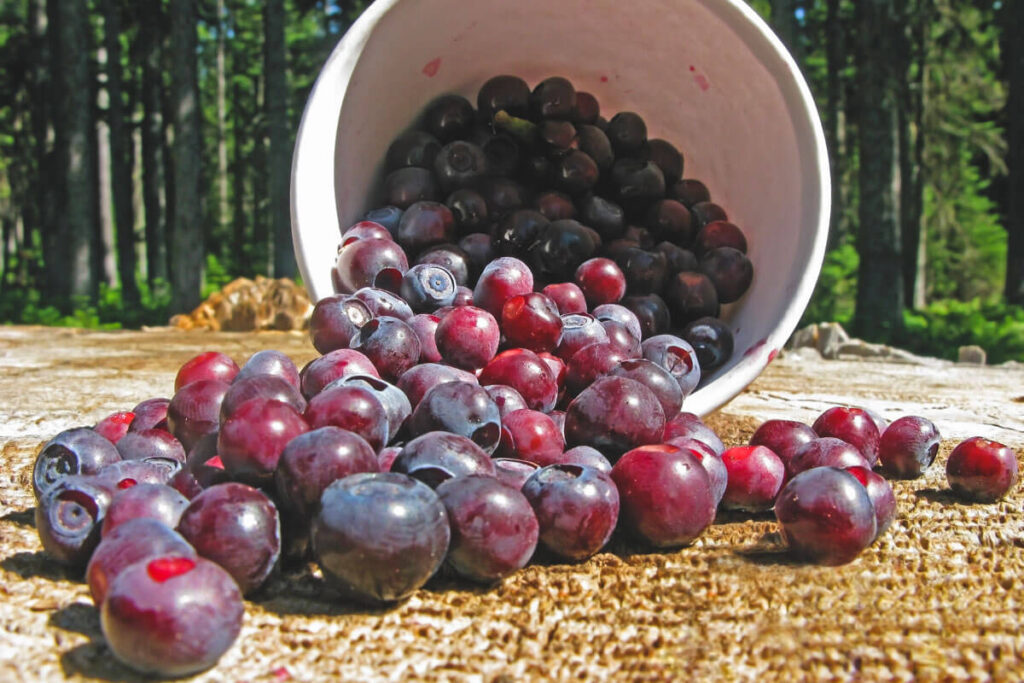
Connect with the land by foraging for local delicacies. Depending on the season, you can find morels, fiddleheads, huckleberries, or chanterelles. Just be sure to secure a free personal-use permit and carry a mesh bag to allow spores to resettle.
Celebrating Indigenous Foods
Support tribal-owned businesses like Salmon King Fisheries on the Columbia Plateau. When visiting, always follow posted fishing-site etiquette. This honors treaty rights and the deep cultural heritage of the area.
Farm-to-Table & Eco-Certified Restaurants
Dine at establishments that prioritize sustainability. In Portland, Farm Spirit offers 100 percent plant-based tasting menus with zero single-use plastics. In Eugene, Party Bar sources most of its ingredients from within a 150-mile radius.
Oregon’s Edible Seaweed & Kelp Products
Discover innovative local foods from companies like Blue Evolution, which harvests bull kelp under strict quotas. This practice helps support ocean cleanup efforts while creating delicious snacks.
Drink Local, Drink Green
Many Oregon breweries and vineyards operate with a green mindset. You can enjoy a pint at Hood River’s Ferment Brewing, which runs on renewable energy credits. You can also cycle to the organically farmed Dominio IV Vineyards.
| Quote: Tasting Oregon responsibly means connecting with the source, such as foraging with respect, supporting tribal fisheries, or choosing restaurants that honor the local landscape in every dish. |
4. Give Back & Play Lightly: Activities + Stewardship
Plan for Climate Resilience
Before you depart, check official state resources for wildfire and air-quality alerts, as well as current river flow information. Being prepared helps you stay safe and make responsible decisions during your trip.
Low-Impact Outdoor Fun
Enjoy Oregon’s nature without harming it. Choose to paddleboard on Waldo Lake, where motor bans preserve the water’s incredible clarity. You can also rent bikes from companies that offset each rental by planting a tree.
Volunteer While You Vacation
Incorporate stewardship into your travel plans. Trailkeepers of Oregon hosts Saturday morning maintenance events where tools are provided. SOLVE Oregon also runs monthly beach clean-ups across the state.
Simple “Do Good” Habits
Adopt simple habits to minimize your impact. Carry a fold-flat recycling bag, as many rural counties only have central recycling depots. Always observe wildlife closures, as the local fauna need their space.
| Key Insight: True eco-friendly travel goes beyond just reducing your impact. It’s about active stewardship, which means volunteering your time and making choices that help preserve Oregon’s natural beauty for everyone. |
The Path Forward
Embracing eco-friendly travel in Oregon is about making conscious choices that honor the landscape. By rethinking transportation, lodging, and activities, you shift from being a passive tourist to an active steward. These small adjustments ensure the state’s wild places remain pristine for generations to come.