5 Proven Upgrades to Transform Your Adventure Vehicle
Dreaming of swapping city traffic for remote trailheads? You’re not alone in seeking off-grid adventures. The U.S. Forest Service notes that 27.9 million people have participated in off-road driving in the past year. This growing interest is transforming how people use their everyday vehicles.
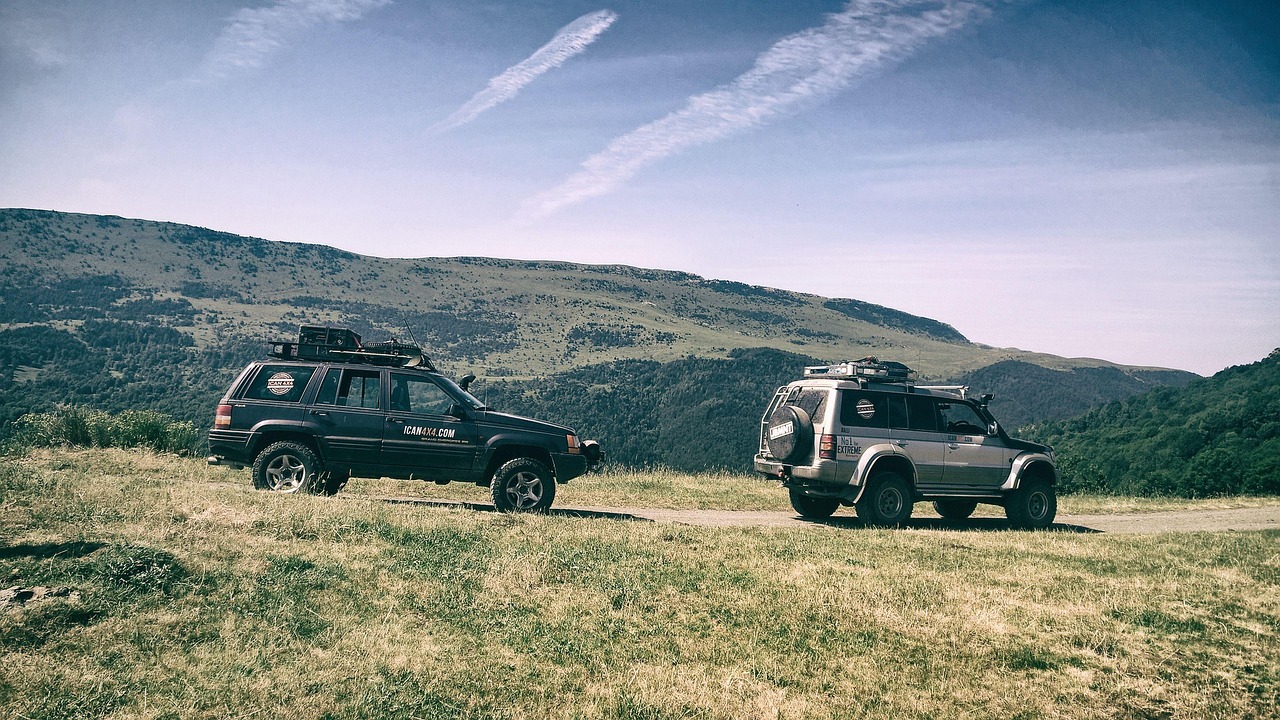
With carefully chosen vehicle upgrades, almost any crossover or small SUV can evolve from a daily driver into a bona fide adventure platform. This guide walks you through the most impactful modifications, from sleeping systems to recovery gear. Follow this roadmap and you’ll roll into your first campsite prepared, comfortable, and confident.
Map Your Mission Before You Modify
Before you purchase a single component, it is crucial to define your objectives. Answering a few key questions will guide your build and prevent unnecessary spending.
Determine your primary trip style, whether planning short weekend car-camping trips or multi-week overland expeditions. The duration and nature of your adventures will dictate your needs.
Next, understand your vehicle’s factory specifications like curb weight, payload capacity, and roof load limit. Finally, be aware of any legal or warranty implications, as some modifications may be restricted or could impact your vehicle’s warranty. Creating a checklist of your goals will keep your build focused and your budget in check.
| Key Insight: Defining your trip style and understanding your vehicle’s limits isn’t just planning, but it’s the most effective way to save money and build a truly useful rig. |
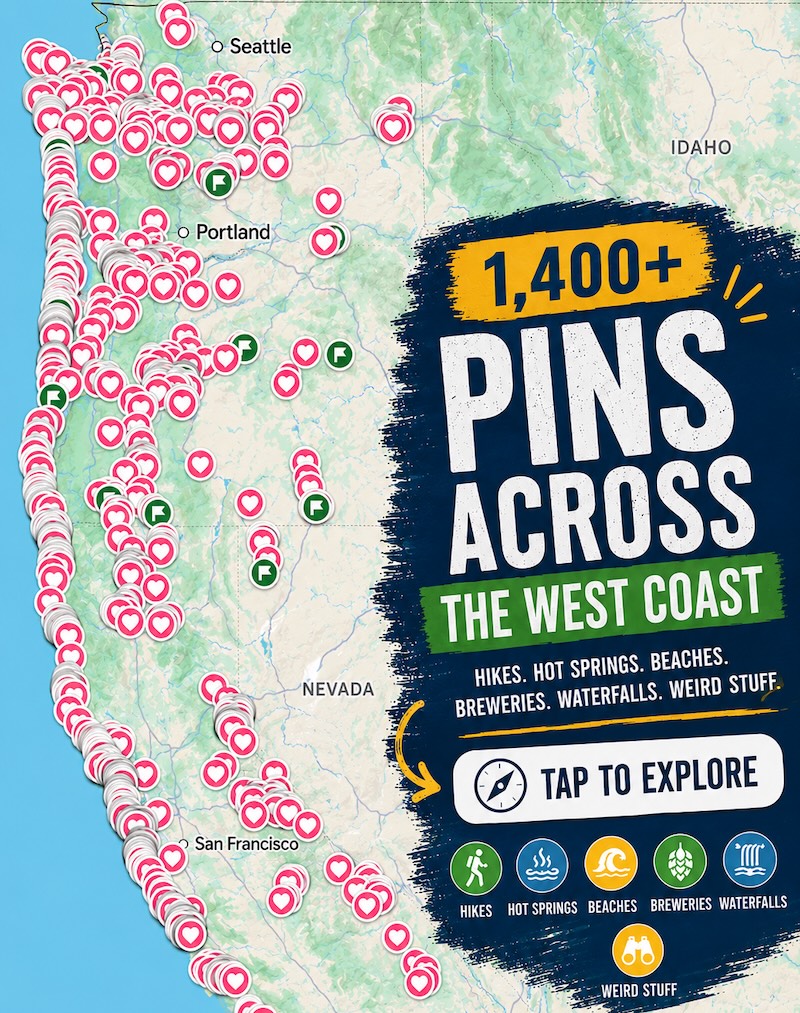
📍 GET THE ULTIMATE PNW MAP 🗺️
Get our curated list of the best adventures, things to do, and places to grab a brew loaded onto your maps with just two clicks!
✅ Waterfalls ✅ Hikes ✅ Viewpoints
✅ Craft breweries ✅ National Parks ✅ 1400+ Pins


1. Master Your Sleeping Solution
A reliable and comfortable place to sleep is the foundation of any adventure vehicle. The most popular option is a rooftop tent, which offers a quick setup and keeps you off the muddy ground. However, they add significant weight to your roof and can impact fuel economy.
Alternatively, an inside sleeping platform provides a stealthy and aerodynamic solution, often built as a DIY project. For those who camp less frequently, a quality ground tent is a lightweight and budget-friendly choice. Regardless of your setup, always ensure proper ventilation to prevent condensation and ensure safety.
2. Bolster Your Vehicle’s Hardware and Protection
To safely navigate rougher terrain, you need to enhance your vehicle’s durability. Start by upgrading to quality all-terrain tires for a significant boost in traction and sidewall strength. Next, protect your vehicle’s vulnerable underbelly with skid plates, which shield the oil pan and transmission from rocks.
For even greater capability, a modest suspension lift of one to two inches increases ground clearance without drastically altering the vehicle’s geometry. Many of these upgrades require significant time working underneath your vehicle.
A stable work platform, like a reliable, heavy-duty 4-post car lift from HeavyLift Direct, provides much greater stability and access than simple floor jacks and stands.
| Warning/Important: Every modification adds weight. Regularly check your vehicle’s total weight against its GVWR to avoid dangerous handling, component failure, and potential legal issues. |
3. Establish an Off-Grid Power System
Reliable power is essential for modern vehicle-based adventures, especially for running refrigerators and charging devices. A dual-battery setup isolates your starting battery from your accessories, ensuring you can always start your engine. For more flexibility, portable power stations offer a self-contained solution with multiple outputs.
Roof-mounted solar panels can provide a constant trickle charge to your system throughout the day. This power system will comfortably run accessories like a 12-volt compressor fridge, a game-changer for keeping food fresh. Portable suitcase-style panels can also be positioned for optimal sun exposure at camp.
RELATED:These 7 Oregon Road Trips Routes Will Blow Your Mind!
4. Optimize Your Cargo and Roof Systems
Effective storage is key to a functional and organized adventure vehicle. A high-quality roof rack system expands your carrying capacity for tents, storage boxes, and recovery gear. However, always stay within your vehicle’s dynamic roof load rating.
For carrying bulky gear like bicycles, a vertical hitch-mounted rack is an excellent option. For larger equipment or extra hauling needs, many travelers also check out Brechbill Trailers’ selection of equipment trailers to handle gear that won’t fit comfortably inside the vehicle.
Inside the vehicle, custom drawer systems can organize gear efficiently. As a rule, store your heaviest items as low and as close to the center as possible to maintain a stable center of gravity.
| Pro Tip: For optimal stability and safety on uneven terrain, always store your heaviest gear as low and as close to the vehicle’s center as possible. |
🏨 Need a place to crash nearby?
From rustic cabins to boutique inns—check prices and availability in just a click.
5. Pack Essential Recovery and Mobility Gear
Even the most capable vehicle can get stuck, so being prepared with the right recovery equipment is non-negotiable. At a minimum, your kit should include a set of traction boards for self-recovery in sand, mud, or snow. A reliable tire repair plug kit and a portable air compressor are also indispensable.
Use the compressor for fixing flats and adjusting tire pressure for different terrains. For communication without cell service, a GMRS radio offers a significant range improvement. Pair this with a GPS device or a smartphone app with offline maps to ensure you can always navigate safely.
The Path Forward
Transforming your vehicle is a journey, not a destination. Start with foundational upgrades that match your immediate goals, like better tires and a solid sleeping setup. As you gain experience, you can add more advanced systems.
Always remember to prioritize safety and keep a close watch on your vehicle’s total weight. The most important upgrade is your own skill set, so consider taking an off-road driving course. Adventure awaits; the only question is where you and your newly capable vehicle will go next.
| Key Insight: Ultimately, the most important upgrade isn’t on your vehicle, but in your own skillset. Confident driving is your best tool. |